

Dive Brief:
- Contractors laid off 99,000 workers in August, a nearly 46% drop from a year ago and the lowest number since the Bureau of Labor Statistics began reporting on job openings in December 2000, according to Anirban Basu, chief economist for Associated Builders and Contractors.
- Construction counted 251,000 open jobs on the final day of August, according to the BLS report released Tuesday. The number of open positions for which contractors were actively hiring was down 48,000 month over month but up 38,000 year over year.
- Of all construction jobs, 2.9% went unfilled at the end of August. The number of open jobs was the highest since March, said Basu. The combination of openings and layoffs paints a picture of employers desperate to cling to the workers they have.
Dive Insight:
The BLS data indicates that both the demand for and supply of construction workers has decreased, Basu said.
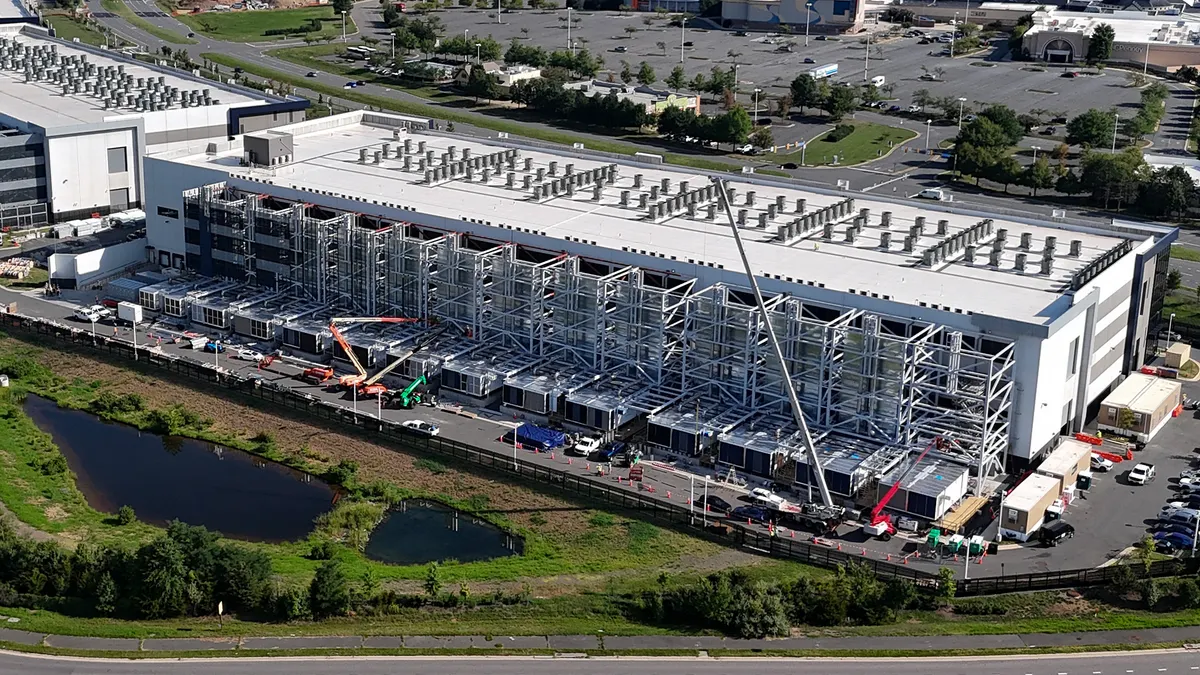
“These dynamics may seem contradictory but are consistent with ongoing weakness in the residential segment coupled with booming data center activity and the resulting scarcity of certain skilled trades workers,” Basu said in an ABC analysis of the data.
Nonresidential builders said they would likely increase their staffing levels in the next six months, according to ABC’s Contractor Confidence Index. As a result, Basu predicted labor costs will continue to surge, especially for in-demand occupations such as electricians and HVAC workers.
Macrina Wilkins, director of market insights for the Associated General Contractors of America, has said for several months that the data indicates firms are desperate to keep the workers they have, while still monitoring the market for a potential shift in the availability of new workers.
“The combination of an all-time low layoff rate and an increase in the job openings rate suggests contractors are still eager to maintain or increase their current headcounts,” Wilkins told Construction Dive via email. “Firms still have positions they need to fill but are having difficulty matching those openings with qualified workers.”
A low hiring rate could indicate the problem Basu touched on, meaning challenges finding those with in-demand skills.
“While a low hiring rate often suggests a lack of current demand for workers, in this case it may also reflect the difficulty contractors are having finding qualified employees at a time of heightened immigration enforcement and a record-low unemployment rate for construction workers of 3.1% in August,” Wilkins said.