Dive Brief:
- Energy construction giant MasTec has partnered with Gritt, a startup that offers aftermarket robotic attachments for construction equipment, to put Gritt products on the contractor’s jobsites, according to an announcement from the startup.
- As part of the agreement, MasTec will use Gritt’s technology — robotic attachments with artificial intelligence-powered systems — across the firm’s renewable energy projects, per the announcement.
- The use of physical AI and autonomous equipment on jobsites continues to capture builders’ attention and investors’ cash. Bedrock Robotics, for example, announced that it had deployed fully autonomous excavators on Sundt Construction and Zachry Construction jobsites in August.
Dive Insight:
The partnership arrives after field tests during the installation of megawatts of solar panels on MasTec’s active jobsites, per the announcement. Although the deal will initially cover the firm’s growing multistate utility-scale solar portfolio, the two firms also intend to expand their work together through MasTec’s pipeline of jobs.
“We’ve evaluated Gritt systems on active construction sites, and we see an opportunity to pair our teams’ expertise with technology that supports them in the field,” said Rob Turner, MasTec Renewables’ vice president of construction, in the news release.
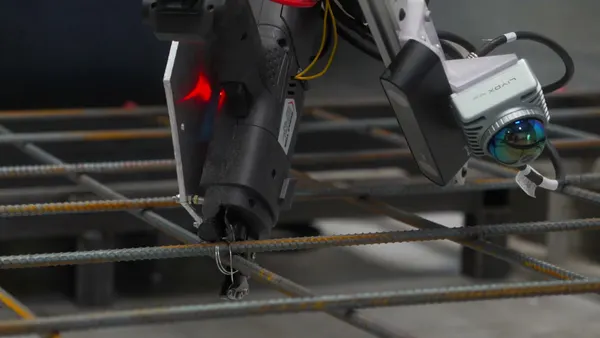
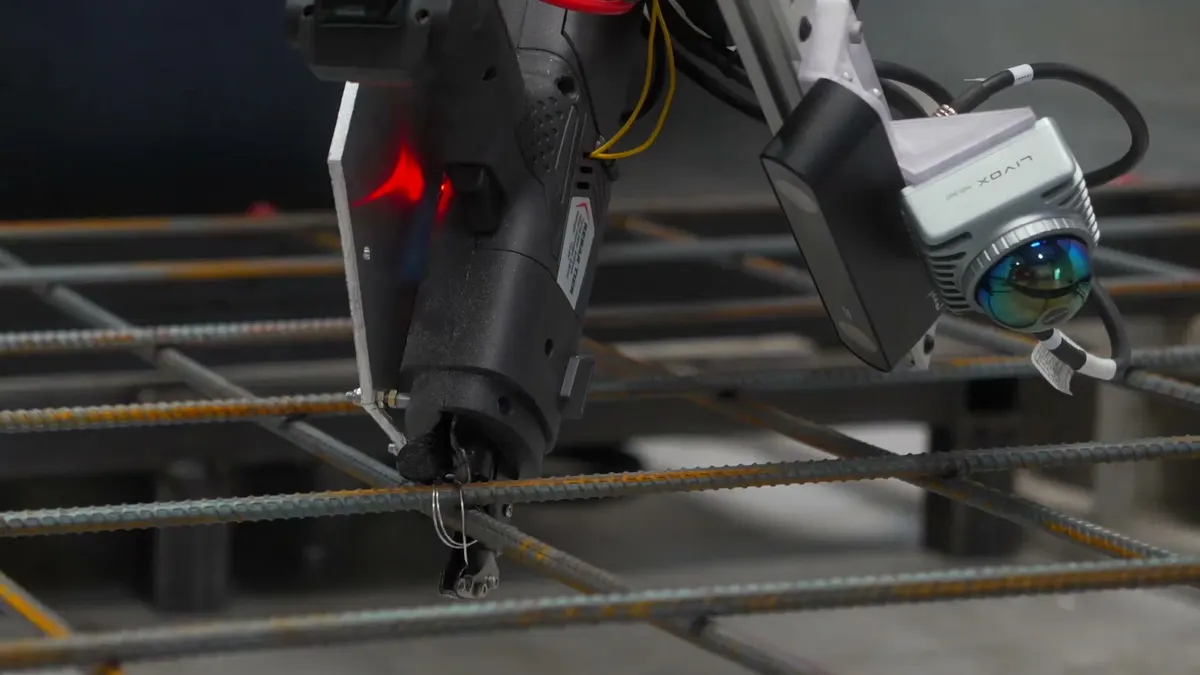
Gritt’s AI offering is capable of learning physical tasks, which include picking and placing, along with assembly and material transport while jobsite pros guide the process, according to the announcement.
Some of the equipment Gritt’s tools can connect to include skid steers and forklifts. Its products can place objects with millimeter precision, according to the firm’s funding announcement.
South San Francisco, California-based Gritt has already made some waves: It launched in July with a combined $32.4 million in funding from both Seed and Series A rounds, according to the firm.
And it’s not the only physical AI firm to find success in the construction industry. Last year, FieldAI raised $405 million across two consecutive funding rounds. This year, Gravis Robotics raised $200 million in a Series A in August, while Bedrock Robotics pulled $600 million in a funding round near the end of October.