FALLS CHURCH, Va. — HITT Contracting is busy building — for itself and for its clients.
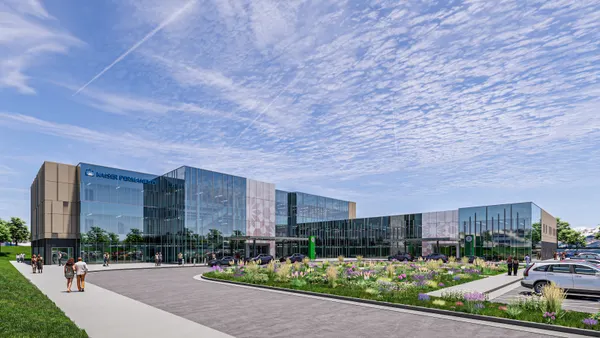
The Falls Church, Virginia-based contractor broke ground on its future headquarters in January 2025 and has steadily moved construction along as it prepares to eventually move in.
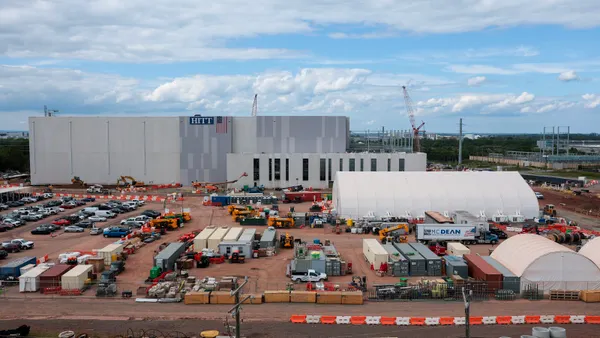
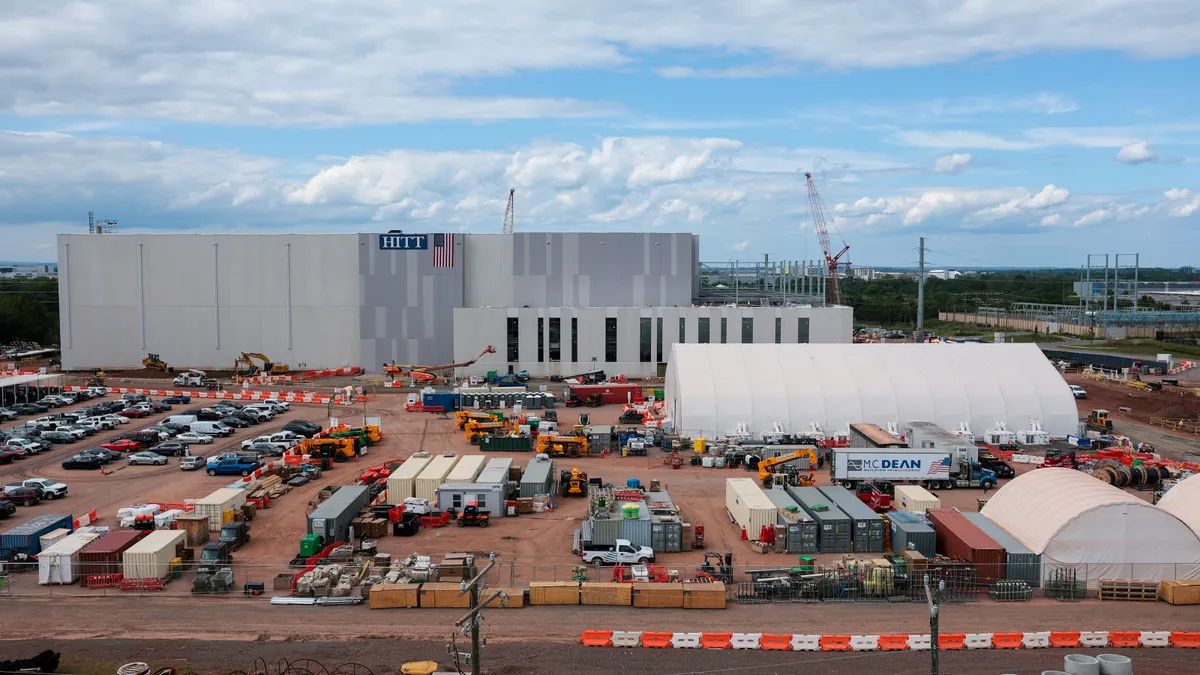
It is also forging forward for its clients. HITT Contracting was named the top data center builder and eighth-largest commercial contractor by revenue in the U.S. in 2026, according to Engineering News-Record, with $13 billion in revenue. That’s a two-spot jump from 2025, where it held the No. 10 spot with $8.7 billion in revenue.
For Kim Roy, HITT’s CEO, these moves present opportunities for growth. Roy took over the C-suite role in 2017, according to her LinkedIn, but her history with HITT started in 1999 when she began her career on the jobsite as an assistant project manager.
Since then, she’s risen to the chief executive role and has tackled issues that impact builders across the country, particularly how contractors are positioning themselves as data center projects weather backlash from their surrounding communities.
Here, Roy talks with Construction Dive about HITT’s key markets, data centers, how the company navigates the labor shortage and how her experience on the jobsite informs her work as CEO.
Editor’s note: This interview has been edited for brevity and clarity.
CONSTRUCTION DIVE: What markets does HITT see strength in?
KIM ROY: We continue our work in areas of data center, corporate office, hospitality, federal. I would say our work also continues, but has grown a lot, in the areas of industrial, advanced manufacturing and energy. I think in the years to come, you'll continue to see broader market reach in those areas for us as well.
We’ve been doing data centers for over 25 years. This is something that the proficiency and our team has been invested in for quite some time. Obviously, there's a slower growth trajectory in other sectors. We’ve invested a lot in the hyper-growth of the tech sector.
As you continue to build data centers, what do you notice has changed?
Our teams are highly technical data center builders. I think that clients like our style of project management, and we've invested a lot in the relationships with the data center community.
I would say our entrepreneurial culture is really well-aligned with a rapidly changing industry like data center construction because we are very nimble and agile.
Data centers are changing quickly. They need builders that can change quickly, change their process very quickly. So I think it's a good match, and I think our clients see the value in that match.
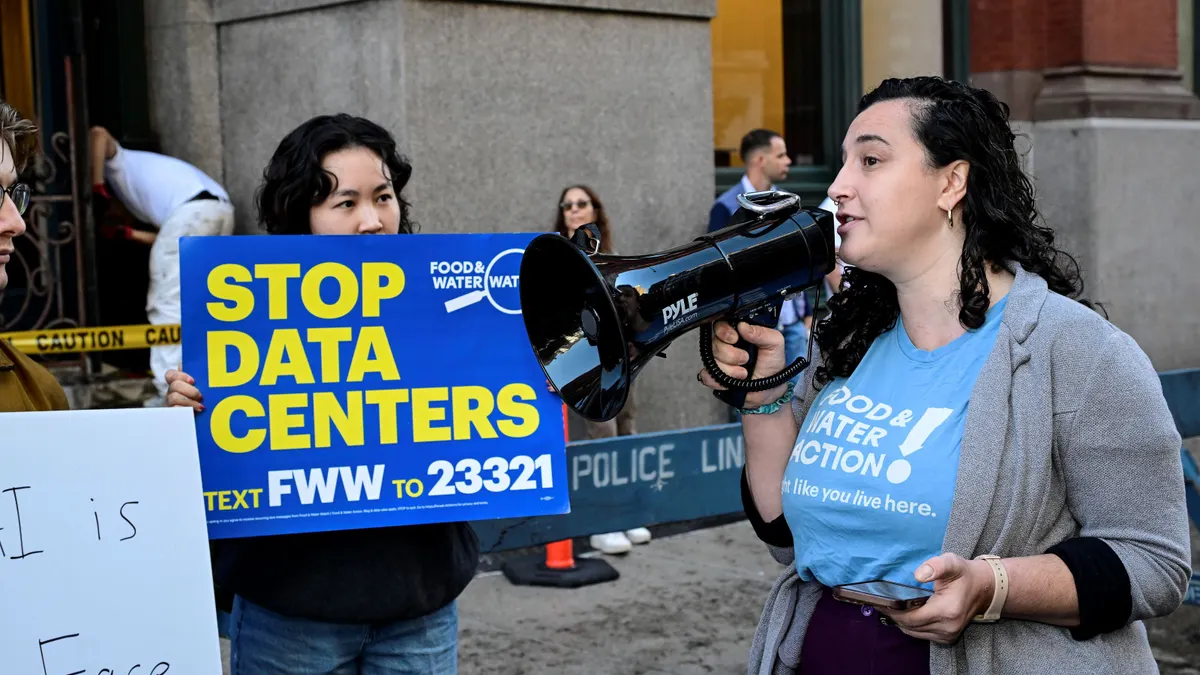
Data center growth has propelled our growth, as the numbers show. Bigger picture, perhaps, I think that there's an absolute smart way to build a data center, and I think it's great that communities are questioning that and looking to hold that very high standard. And I've found that our clients are super responsive in that regard.
It’s the small things, dirty roads — please clean those up — to larger things, perhaps noise and disruption during the course of construction.
How is HITT recruiting workers and navigating this labor landscape?
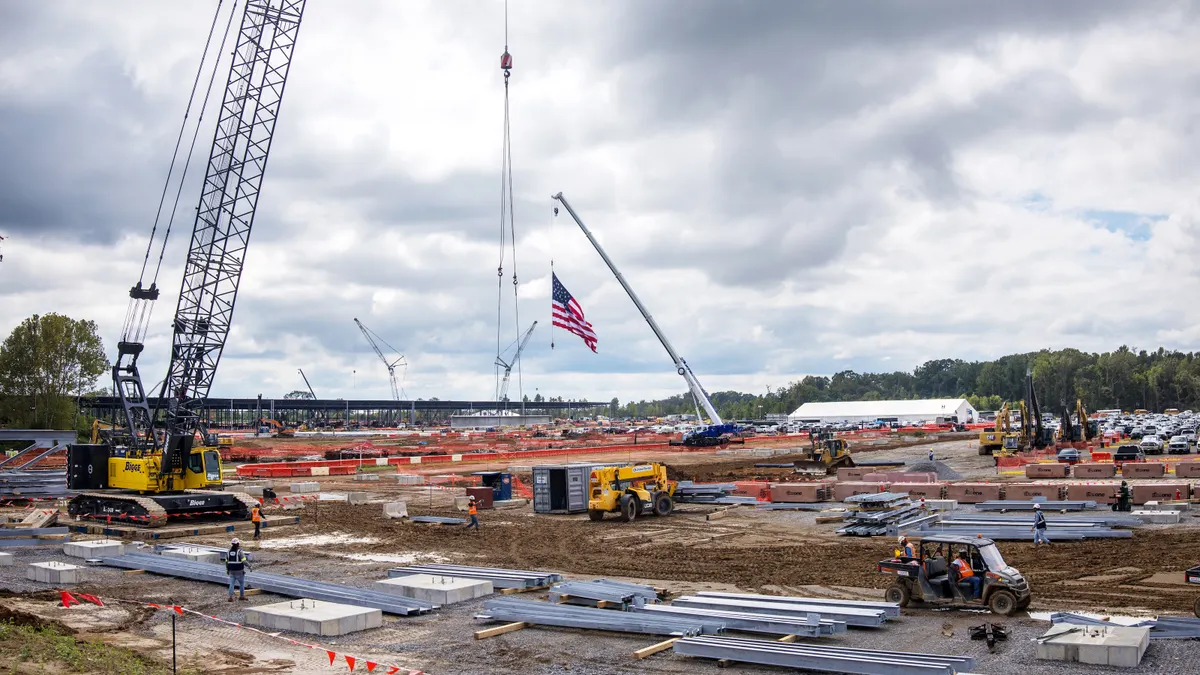
The bigger projects that we've done, and maybe even in remote areas of the country, more rural, we come in and we're oftentimes bringing workforce with us. They're eating at the local restaurants. They're staying at the hotels. These projects are several years, and they're training the local community.
I think that with the labor shortage, it's an opportunity for us to push harder in R&D.
We've been invested deeply in our robotics program, and we'll continue to look at automation and digital transformation to make more efficiency for our labor, which should help. It won't bridge the entire gap.
I had people very early in my career trajectory that discouraged me from being in construction. I think they felt it was somehow a lesser choice. I think it's amazing. I think that if you know the talent is out there, you should focus on how you bring them into the industry.
We have programming specific for talent and recruitment and retainment. But considering the trades as an elevated career choice in the U.S. is the future, too. More people are interested in doing that.
What markets do you think will show strength over the next five years?
Industrial and energy. Earlier this year, HITT purchased Brycon. It's a company based out of the Southwest that specializes in semiconductor work. I think we'll continue to expand in highly technical spaces.
Our planning really starts with smart, strategic growth, and we invest a lot of time in where that should go, where we see segments of opportunity for us in the U.S.
We mix that with innovation and research and development, and then, ultimately, think very long term. I've been with the company 28 years, and long-range planning has always been our approach to new markets, new areas, new investments.
What are HITT’s M&A plans for 2027?
We're looking at our rapid growth areas, such as energy, healthcare, advanced manufacturing. I would say those are key areas. But really, anything that helps strengthen our non-tech work is of interest to us.
How has starting on the jobsite influenced your tenure as CEO? What would you say to people getting started in construction today?
I've lived it.
I love our trades. I learned all of my good stuff from how to be a builder, from our site operations team. Working with superintendents that patiently showed me how construction comes together, and I think that that's important.
There are people out there that are coming up with technology solutions or coming up with innovation pieces, and it's good. But what makes it great is having the understanding and technical expertise like our team has.
I hear a lot of good ideas, but how they get implemented and at what pace, I think that experience helps because I'm a builder at heart.
If you had asked me when I was younger, I would tell myself, dream bigger. Have the confidence to continue on that path.