Dive Brief:
- Fluor and Walsh Construction have reached substantial completion on phase one of the Chicago Transit Authority’s $2.1 billion Red and Purple Line modernization, said Shawn West, president of Fluor’s infrastructure business.
- Fluor expects final completion for phase one of the modernization, which includes over 2 miles of track replacements, in November 2026, according to a July 1 news release.
- The milestone comes about three months after a federal judge ordered the U.S. Department of Transportation in March to restore funding for the upgrades. DOT had originally withheld funds due to a review over the agency’s Disadvantaged Business Enterprise program.
Dive Insight:
The milestone brings the effort, the largest completed capital project in CTA history, closer to the finish line after years of construction activity, according to the release.
Since construction started in 2019, construction teams have made significant progress while maintaining rail transit service. For example, crews have replaced just over 2 miles of 100-year-old elevated track between Lawrence and Bryn Mawr, and rebuilt four stations into modern, accessible facilities, the release said.
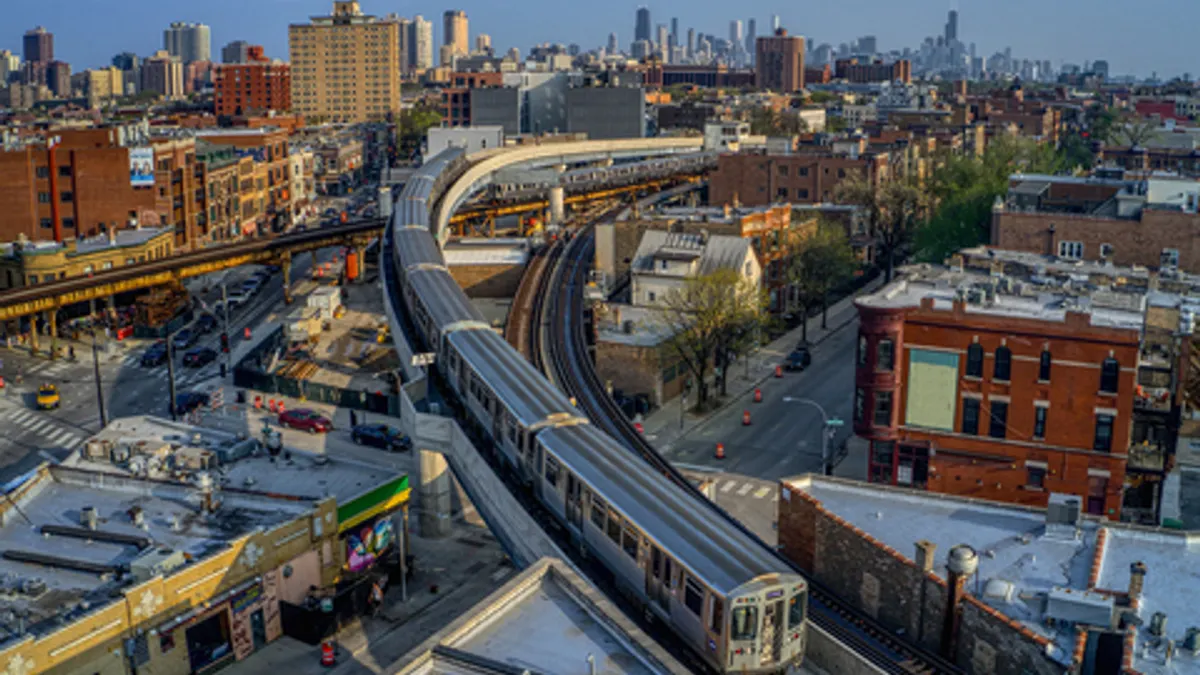
The project also includes the Red-Purple Bypass, a new elevated bypass for Chicago’s Brown Line. The upgrade eliminates track conflicts and improves throughput for Red, Purple and Brown Line service, according to Fluor.
Contractors also installed 11 miles of new digital track circuit signaling. That will increase capacity immediately while enabling future enhancements in signaling and rolling stock, according to the release.
The FTA awarded funding for the Red and Purple modernization project in 2017 and later approved a separate Red Line Extension grant in 2025. The two projects together underpin the CTA’s Red Ahead program, a multibillion-dollar initiative to upgrade the transit system in the Windy City.
In October 2025, federal officials issued a policy change around diversity and inclusion programs, and placed the CTA’s grants under review. A judge ordered DOT to restore the funding in March.
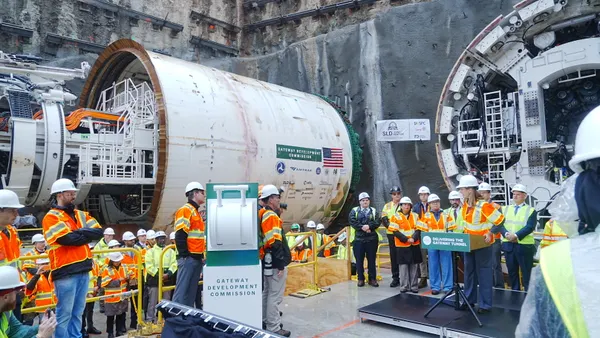
A similar outcome occurred in New York and New Jersey, where a federal judge blocked the DOT from freezing funds on the $16 billion Hudson Tunnel project over the DBE program.