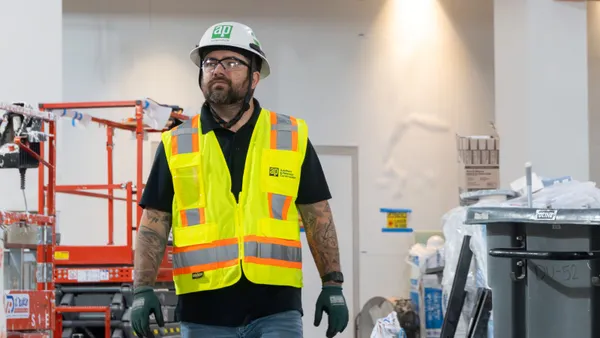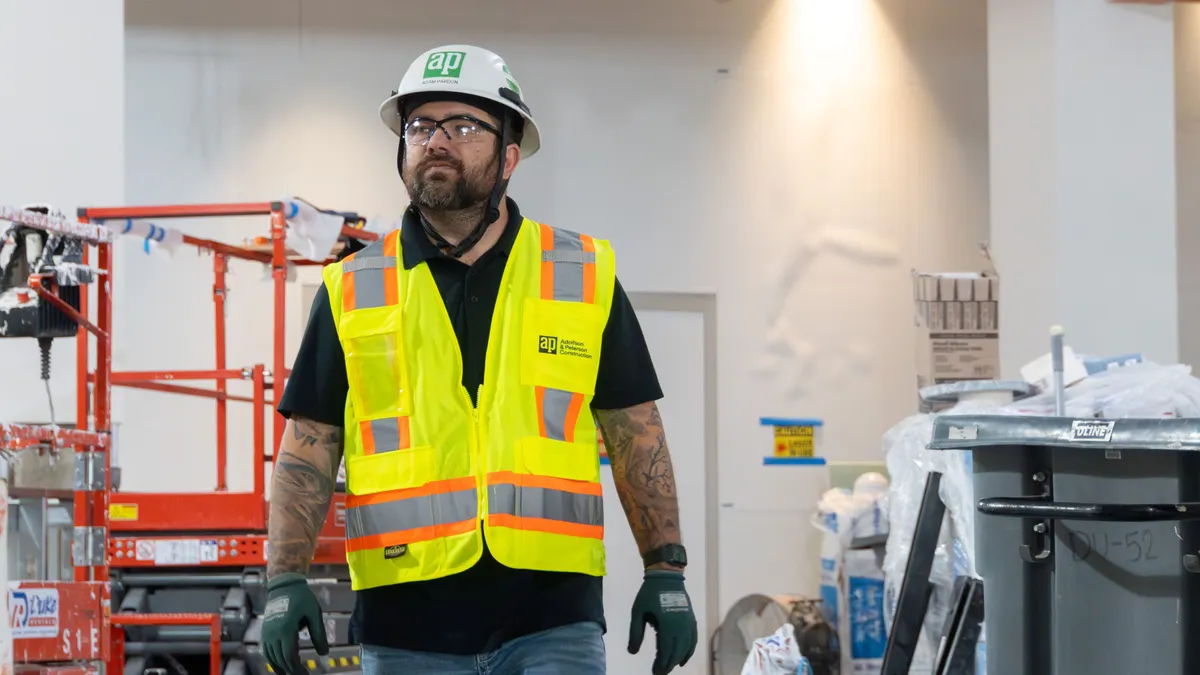
Adam Pardun is superintendent II for Adolfson & Peterson Construction. Opinions are the author’s own.
As a descendant of the Mille Lacs Band of Ojibwe, creating opportunities for Native American workers is personal to me.
I was 15 when I got my first construction job. My father was a construction manager for the Band, and through that connection and the Tribal Employment Rights Office program, I had a chance to learn the work firsthand on a hotel addition project. I was looking for summer work, but that job helped me find a lifelong career.
November is Native American Heritage Month, a time to recognize the history, contributions and cultures of Native communities. For me, it’s also a reminder of what can happen when an opportunity to work becomes an opportunity to build a future.
TEROs enforce tribal sovereignty and employment preference laws to help ensure Native people have access to employment, training and business opportunities. Meeting those requirements is an essential responsibility for contractors.
Building on that foundation means working alongside tribal nations to connect employment with training, mentorship, and opportunities that continue beyond a single project. My own career shows why that matters.
A first job is an open door
My summer job led to more opportunities. After high school, I gained hands-on experience on nearly 20 projects across central Minnesota through the TERO program. Eventually, I joined a general contractor working on the Grand Casino Hinckley Hotel and Event Center. During that project, I joined a union and stayed with that contractor after the project was complete.
That position led to other opportunities, including work on Target Field in Minneapolis, home of Major League Baseball’s Minnesota Twins. Along the way, a superintendent recognized my potential and encouraged me to pursue additional education. I later earned a degree in construction management from Dunwoody College of Technology.
Each step built on the one before it. TERO helped me get started, and the experience and encouragement that followed helped me to keep going. Not every young person has connections or knows where to begin, which is why contractors need to plan for training, mentorship and continued opportunities from the start.
Start with the tribal nation’s priorities
Working on tribal projects has taught me that knowing how to build is only part of being a good partner. We also need to understand the community, respect its government and learn what matters to the people we’re working alongside.
Every tribal nation has its own workforce requirements and priorities. Understanding them should be part of project preparation, alongside reviewing the plans and schedule.
That means connecting with tribal leaders and TERO representatives before staffing and training decisions are made. What opportunities are available for Native workers? What skills would the nation like to develop? How can the project support those goals? Contractors and tribal partners can then shape a workforce plan that reflects the nation’s priorities from the beginning.
Pair employment with opportunities to grow
A first job can help someone see a future in construction. Mentorship helps them understand what that future could look like and how to work toward it.
I start by getting to know each person, learning what experience they bring, how they learn best and where they want to go in construction. Those conversations help me understand their strengths, where they need more support and what motivates them.
From there, I tailor my guidance and hands-on training to help them build skills and confidence, balancing encouragement with clear expectations.
That support can help workers prepare for their next step, whether that means learning a specialized trade, joining a union, pursuing education or taking on greater responsibility. In my case, a superintendent’s encouragement helped me see education as a possibility. That experience has stayed with me and shapes how I support others today.
Making time to teach, offer feedback and talk about someone’s goals makes mentorship part of the work.
Build relationships that outlast the project
Construction has a defined completion date. The relationships built during a project shouldn’t have to end with it. As work progresses, contractors can stay in conversation with tribal leaders and TERO representatives about what is working, where workers need more support and what opportunities may come next.
Planning for that next step should begin before a worker’s assignment ends. Contractors can discuss upcoming staffing needs with tribal workforce partners and explore whether another project, training opportunity or introduction could help someone continue building on what they’ve learned. Even when another position isn’t available, an early conversation gives everyone more time to explore options.
Contractors can't promise that every job will lead to a lifelong career. But we can work alongside tribal nations to leave a project team better prepared for their next opportunity.
At project closeout, contractors and tribal workforce partners can review more than participation numbers. What skills did workers gain? Who took on more responsibility? What opportunities are available next and what could the team improve on the next project?
Those conversations help people carry lessons from one job into the next partnership and keep workforce development connected to the nation’s longer-term priorities.
Bringing the opportunity full circle
Today, my role as superintendent on a tribal project brings me back to where my career began. I often think about that first summer job and the people who encouraged me. Now I have a chance to help the next generation of Native workers see where a career in construction could take them.
Native American Heritage Month is a reminder to carry that commitment throughout the year. Before the next project begins, construction leaders should sit down with tribal partners to discuss what workers can gain from the experience and how the team will support their growth.
The careers and relationships we help build can be just as lasting as the projects themselves. At 15, I couldn’t have pictured where that summer job would take me. I hope more young people get the chance to find out for themselves.