

The biggest performers for Skanska continue to be the best sectors for U.S. construction at large: data center and infrastructure construction.
In the second quarter of 2026, the Stockholm-based builder reported a company record in order intake. In the third quarter, the company tied that record, booking 68 billion Swedish krona ($6.94 billion USD) in new work, according to a Thursday earnings report.
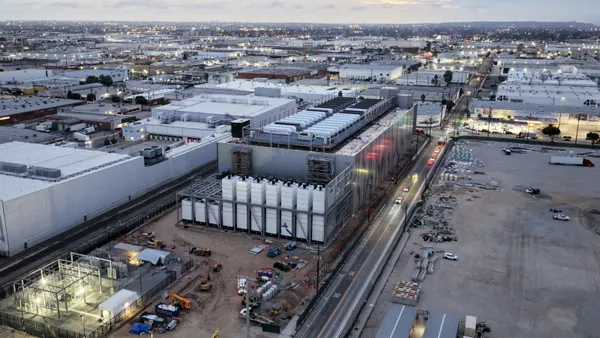
Data centers and semiconductor facilities accounted for 22.7 billion krona of the order bookings, about a third of Q3’s total, CEO Anders Danielsson told Construction Dive in an interview after the earnings call. All told, new work in the U.S. amounted to 46.9 billion krona, roughly 70% of the total work won.
Danielsson said Skanska aims to expand its U.S. construction business.
“On the civil side, we're looking to Florida, Utah and Arizona, for example. We have a presence there on the building side, but we're looking into increasing the civil operation,” he said.
Danielsson said offices from neighboring states have begun to pursue infrastructure projects in newer locales, but that progress was “incremental.”
Saying ‘no’ to risky builds
Danielsson said he predicts Skanska will continue to find success in the public and data center sectors in the months to come.
“Our biggest mitigation is to continue to be selective and stay to our strategy to go for projects where we see that we have a competitive advantage, a good relationship with the client and also that we have the right team in place, right resources available,” Danielsson told Construction Dive.
At times, that has meant being choosey, Danielsson said, by turning down projects where Skanska doesn’t have the boots on the ground or subcontractor relationships — particularly with electricians for data center builds — to reliably pursue the contract.
“We turn down projects where we don't see that we can hook up with the right partners there,” he said.
Midterms’ impact
Despite the major political shift in D.C. brought on by the midterm elections, Danielsson said he doesn’t foresee much change for Skanska in its biggest sectors.
“In our experience we have been working in the U.S. for more than 50 years in the different administrations and different majorities in the Congress. My experience is, one thing they're reliable on is to invest in traditional infrastructure,” he said.
Congress previously extended the Infrastructure Investment and Jobs Act through Dec. 11. Danielsson was optimistic that representatives were aligned on pursuing the Build America 250 Act to keep funding alive.
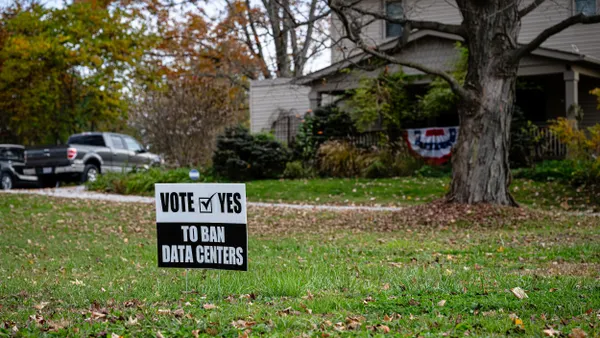
Meanwhile, data centers faced a more local battle on the ballot, with municipalities mulling moratoriums.
“When it comes to data centers, that always requires local political willingness to give permits for those,” he said. “That's something that our clients are working hard with all over the U.S., to find the right places and make sure that we can build them as sustainable as possible.”
By the numbers
Skanska reported 2.1 billion krona in operating income for Q3, up 52% year over year. Construction accounted for the vast majority of that, with 2.3 billion krona coming from that section of the business, up 29.2% year over year.
The reason operating income overall was lower than operating income in construction largely spurred from 369 million krona in impairment charges for the firm’s residential development business.
The company’s record order intake coincided with record backlog: Skanska counted 328.3 billion krona worth of work on the books.