The results of the midterm elections mean more scrutiny on the data center boom and a probable delay to a long-awaited federal transportation bill, industry sources say.
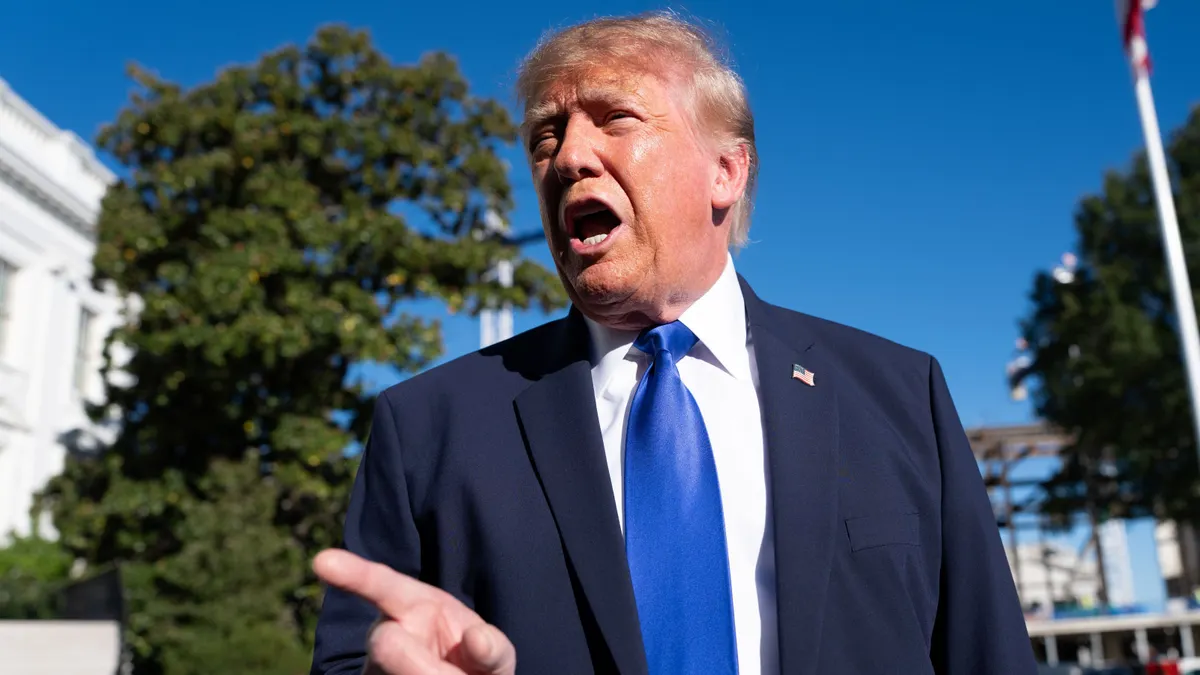
A blue wave launched Democrats to successfully flip control of both the House and the Senate on Tuesday night. Analysts called it a “rebuke” of President Donald Trump’s agenda.
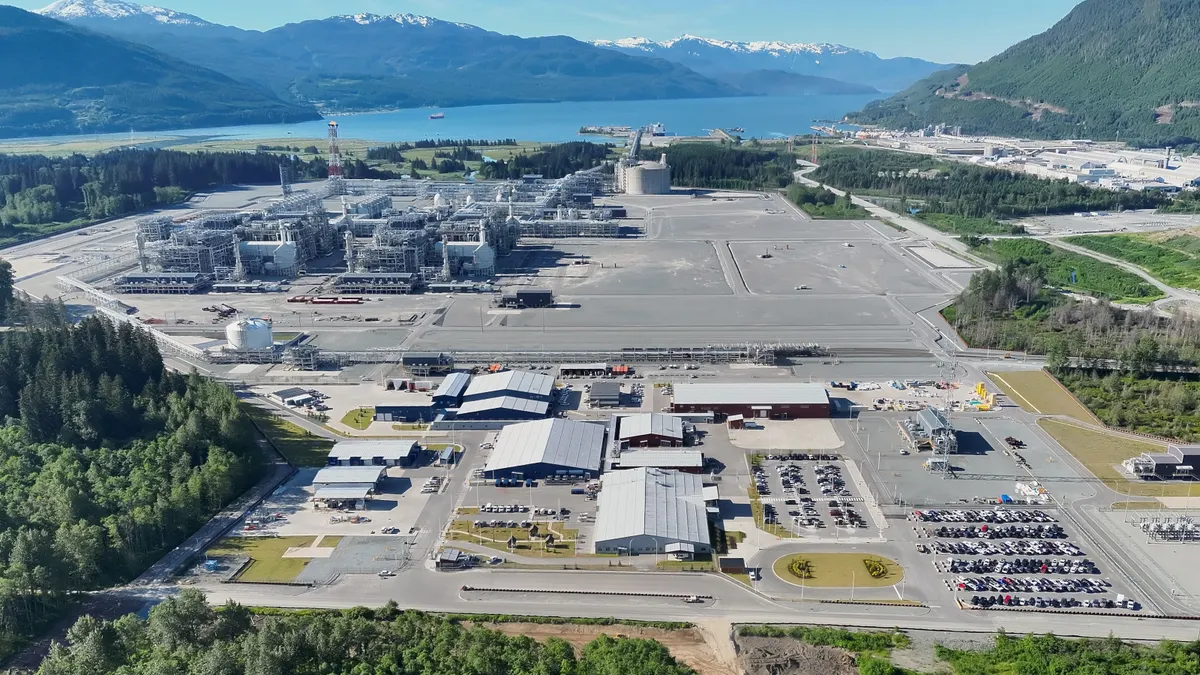
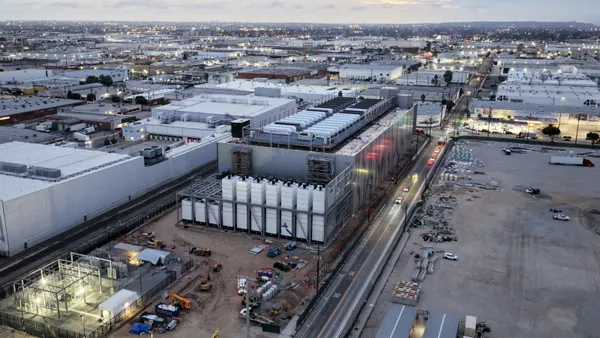
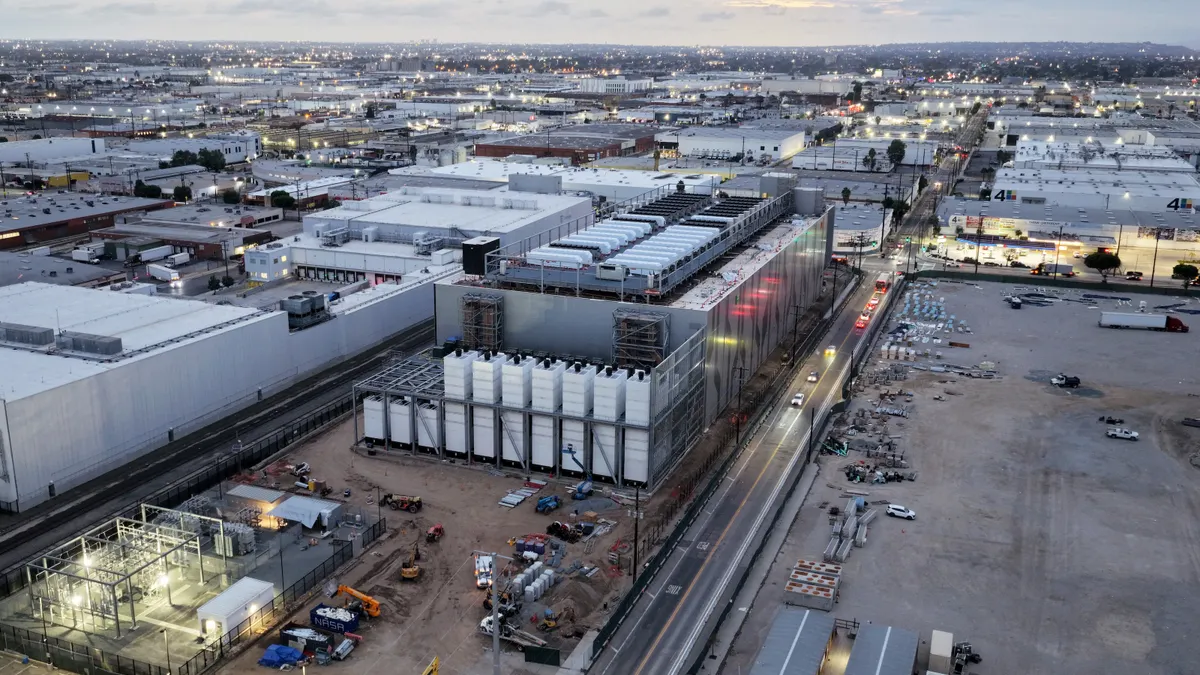
Democrats, in particular, pushed for data center moratoriums at the state level, said Daniel Fisher, senior vice president of government and external affairs at the Associated Equipment Distributors trade group. He anticipates projects hitting more hurdles now due to voters embracing that push.
“I’d expect many planned data center projects to be put off or delayed,” Fisher told Construction Dive.
Still, Fisher said those changes minimally impact total demand for data center construction.
“However, at the end of the day, Democrats and Republicans must recognize the economic impact of data center construction and associated energy projects, and the importance to the country’s ability to compete in the global AI race,” Fisher said.
The widespread Democrat victory nonetheless increases the likelihood of policy changes around data center projects. The changes could ultimately add costs, delays and uncertainty to an important construction growth source, said Michael Guckes, chief economist at ConstructConnect.
Nevertheless, due to the size and scope of the boom to date, Guckes also expects strong demand to persist around these facilities.
“A change in Congressional control would not, by itself, imply a halt in data center construction,” Guckes told Construction Dive. “[Policy changes] would not change the fact that data centers represent an important change to the future of how work will be done, nor does it change AI’s importance to the future of national security.”
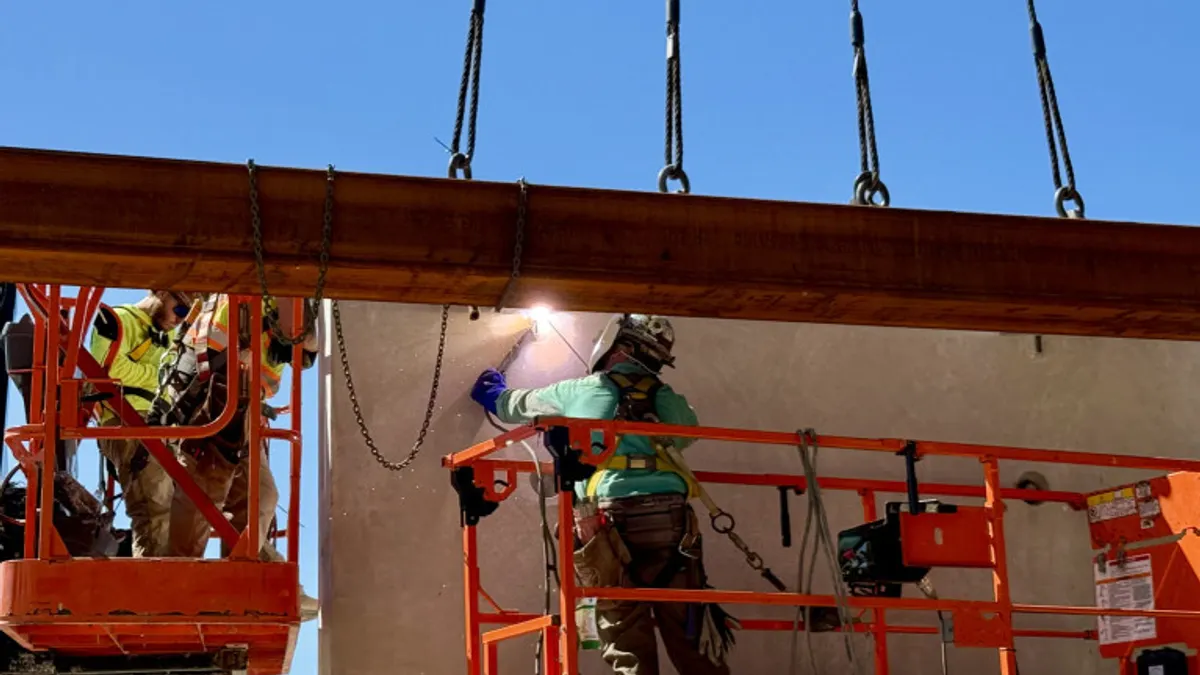
Related to data centers, there is also an immense opportunity in grid buildouts, said Kristen Swearingen, vice president of government affairs at Associated Builders and Contractors. She agreed momentum in the sector will persist.
“It heightens the prospect for moratorium discussions in states like Texas and Michigan, but it doesn’t change what is coming either way,” said Swearingen. “Many governors and their administrations, regardless of party, are seeking to lead on regulatory frameworks around data center construction that aim to address constituent concerns, while hopefully looking to maximize benefits from the boom for workers and the economy.”
On the other hand, temporary pauses help communities prepare for data center development, said Daren Shumate, founder of data center engineering firm Shumate Engineering and a former Fairfax County, Virginia, planning commissioner.
Moratoriums give local governments time to update zoning requirements to address concerns such as noise and water demand, he said. Some rural areas, Shumate added, have never faced this type of industrial demand in their history.
“The organic demand for AI and the data centers that support it is so strong that the buildout will continue without missing a beat,” said Shumate. “The key is for local governments to meet the moment and protect their communities without missing out on the economic benefits provided by such projects.”
A longer wait for transportation funding
Congress will need to make a decision on the surface transportation bill by Dec. 11, whether that is a short-term extension or the passage of the BUILD America 250 Act, said Fisher.
With the massive Democrat electoral victory, however, it now seems unlikely lawmakers will pass a surface transportation bill this year, he added. Winning representatives and senators will be sworn in in January, so current members will likely wait until then to discuss the surface transportation bill.
“Democrats will be content with extending the current law so they can draft a bill more to their liking,” said Fisher. “I do think Democrats will prioritize a surface transportation bill next Congress.”
Swearingen agreed “it is likely to be extended with full government funding into 2027.” However, the move does not ultimately provide a stable planning horizon for contractors, said Fisher.
“The failure to enact a long-term surface reauthorization bill means a lack of clarity on the future of federal funding for infrastructure projects across the country,” said Fisher. “State departments of transportation don’t have the certainty to begin major projects and contractors won’t be confident of future work.”
The Infrastructure Investment and Jobs Act raised average annual federal highway funding by about 62% and public transit funding by about 67% in nominal terms compared with the preceding authorization, said Guckes.
“With current authorizations nearing expiration, Congress will have to decide whether to maintain, increase or restructure those commitments,” said Guckes. “History suggests that regardless of party control funding will likely be maintained or increased.”