

The state of New York received a ‘C-’ grade on its 2026 infrastructure report card issued by the American Society Civil Engineers’ New York State Council.
The report cards measure several categories of civil work and offerings in states and the country as a whole. A ‘C-’ grade indicates adequate, stable performance with the need to invest further to ensure infrastructure holds up in the future.
Three infrastructure categories — dams, public parks, and solid waste — saw grade decreases from New York’s 2022 results, while eight categories remained the same.
Roads and transit
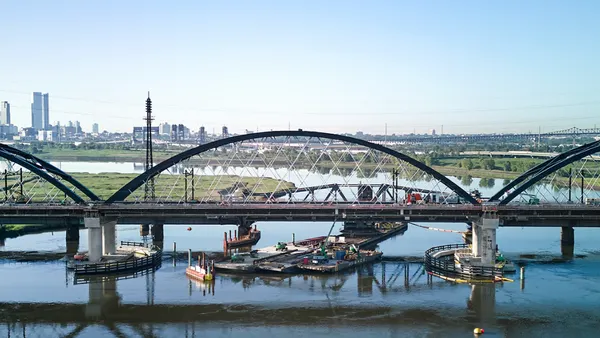
New York’s bridges received a ‘C-,’ which is unchanged from the last report card, and below the national grade of ‘C’. Since 2022, the rate of poor-condition bridges grew from 9.5% to 9.9%, per ASCE. The national rate was 6.7%.
The state has invested $18 billion in bridges in the last four years, which includes funds from the Infrastructure Investment and Jobs Act. However, ASCE says it would take an estimated $74.5 billion to bring all of the state’s bridges into good condition.
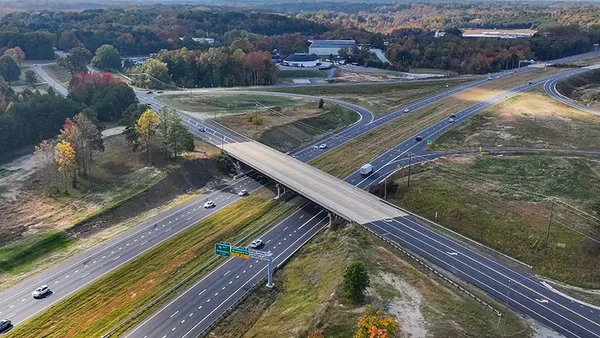
Similarly, New York’s roads did not change from the last report card at ‘D+,’ the same grade as the U.S. as a whole. State-owned roads have improved, with excellent-condition roads growing from 17% in 2022 to 24% in 2024, according to the report card. Meanwhile, poor-condition roads owned by the state DOT decreased from 10% to 8% in the same timeframe.
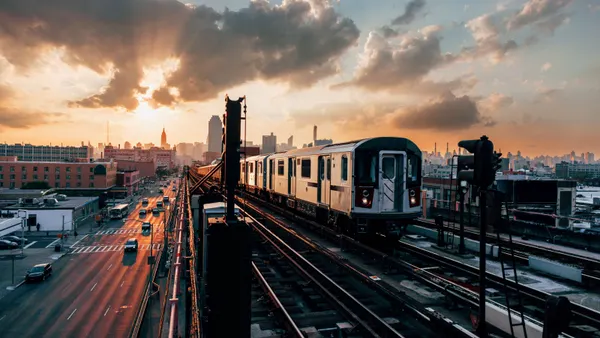
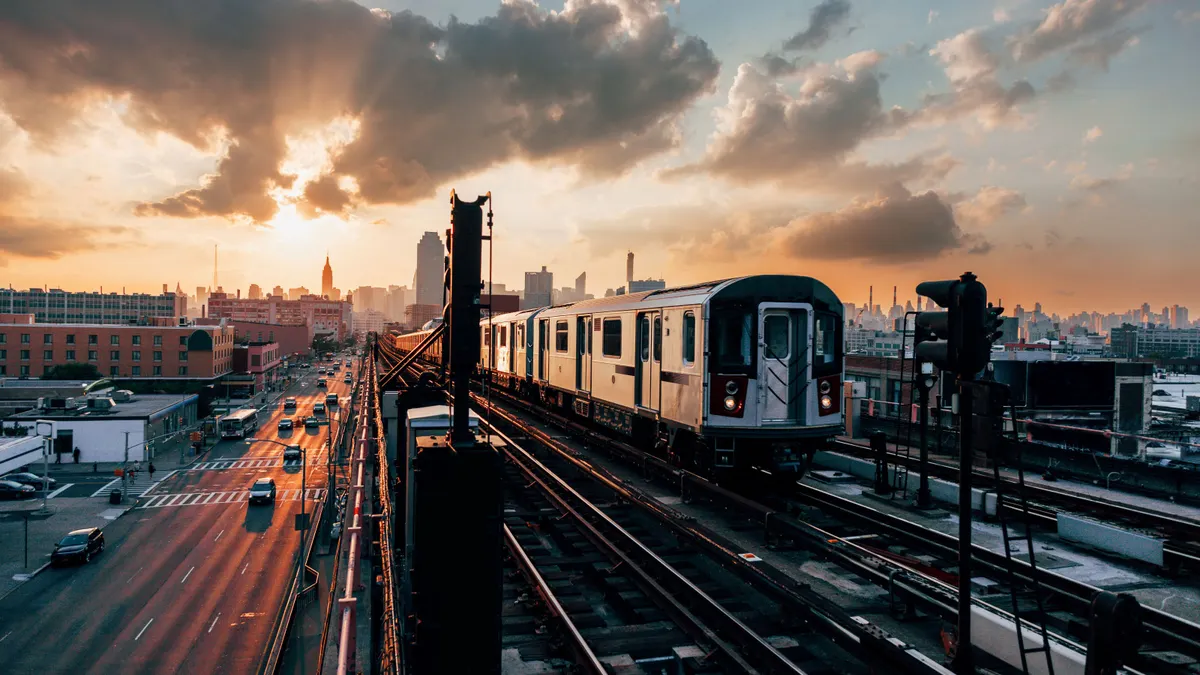
New York’s transit earned a ‘D+’ grade, again, unchanged from 2022, but above the national ‘D’ grade. Transit ridership rebounded to 85% of pre-pandemic levels on the back of New York City, which has the highest transit ridership in the nation, per ASCE. Meanwhile, transit agencies have $50 billion in state-of-good-repair investments planned over the next five years.
New York state's 2026 ASCE report card
| Grade | Categories |
|---|---|
| C+ | Aviation, Ports, Public parks, Solid waste |
| C | Rail |
| C- | Bridges, Dams, Drinking water |
| D+ | Roads, Transit, Wastewater |
| D | Stormwater |
Aging water systems
New York’s drinking water infrastructure earned a ‘C-’ in both 2026 and 2022. Much of the infrastructure that delivers water to homes and businesses is approaching or past the intended design life, ASCE said, and funding for replacement is limited.
About 40% of the state’s water pipes were installed before the 1940s. Other water systems lose up to 40% of treated water in part due to leaky pipes, per ASCE. These systems also face challenges such as added costs for treating contaminants like PFAS and staff shortages caused by an aging skilled trades workforce.
National context
The U.S. as a whole earned a grade of ‘C’ in 2025, the most recent nationwide scoring, placing the Empire State below the national benchmark.
The IIJA put $30 billion into New York projects, but that covered only a small portion of the state's needs, ASCE’s report card said. In addition, the state’s aging systems are regularly tested by more frequent extreme weather events.
“New York’s continued success in the global economy and the state’s public health, welfare, and safety depend on reliable, robust, and resilient infrastructure built for the conditions and use we are seeing now and what we can expect in the future,” Andrea Hunt, co-chair of the 2026 Report Card for New York’s Infrastructure, said in ASCE’s release. “The grade drop we saw on this report card is an urgent reminder of why prioritizing infrastructure benefits every New Yorker.