
For decades, the construction industry accepted a quiet contradiction as normal. Estimated cost, bought cost and built cost rarely aligned — and nobody asked why. It became the cost of doing business.
So, when projects exceeded their projected budgets, the response was reactive: scope reductions, schedule compressions and last-minute material swaps. Owners never connected those overruns to the lack of early contractor engagement.
Tariffs completely changed the equation. Not by fixing the problem, but by making the consequences of ignoring it far too expensive to ignore.
What tariffs have done across every sector
Since sweeping import duties were introduced in early 2025, construction has absorbed some of the sharpest input cost increases in a generation.
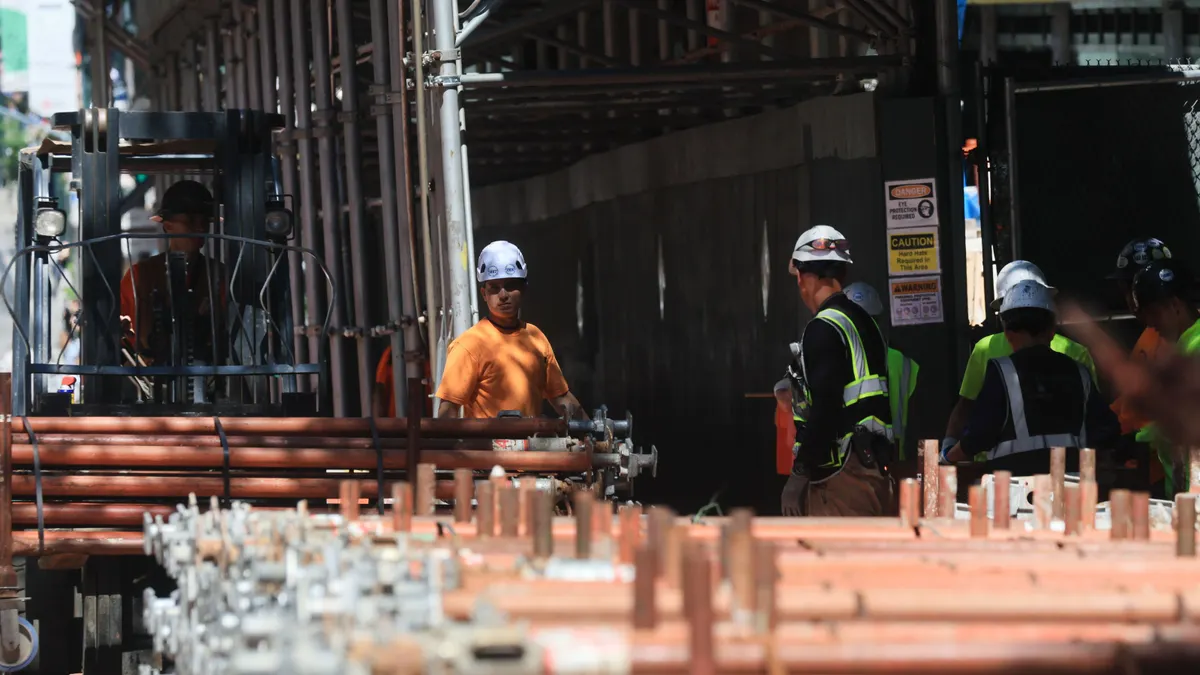
Steel and aluminum face a staggering 50% tariffs. Copper (a critical input for data center wiring, power distribution and MEP systems) is also at an all-time high. Lumber from Canada now carries a 45% duty. As of April 2026, current tariff rates are estimated to have increased construction materials costs by 6%, with total project costs rising 3%.
The impact of the tariffs is also different depending on where you operate. Residential projects have taken the worst hit. Tariffs have added an estimated $17,500 to the cost of a new home, pricing out buyers before a project ever starts. Commercial construction, already softened by tighter lending, saw significant project abandonment and delays through 2025.
Industrial and manufacturing projects carry a painful irony. The same tariff policy designed to incentivize domestic production is making the factories themselves more expensive to build. Domestic producers of steel, aluminum and copper are using the tariff cover to raise their own prices, according to AGC. Supply chains cannot scale quickly enough to meet demand. The result: Higher prices without supply relief.
Data centers are a different story. Demand remains strong enough to absorb cost increases, but the sector is disproportionately exposed because of its material intensity. Copper, aluminum, switchgear and structural steel are all simultaneously tariff-affected — and they form the backbone of every large-scale build. The preconstruction window on these projects is both the most valuable and the most compressed of any sector right now.
How this scenario set the stage for preconstruction to shine
Tariffs, despite the chaos they have caused, have inadvertently given preconstruction teams something they have always needed — A seat at the table, urgency from owners and proof that early engagement saves projects.
For years, preconstruction struggled for relevance in the traditional design-bid-build model. Owners who competitively bid their work did not pay for early contractor input. The result was a function perpetually too late to matter. Brought in after design was locked, given too little time and blamed when bids came back over budget.
That dynamic has shifted. According to AGC's 2026 survey, roughly 70% of firms report being affected by tariffs, 40% responded by raising bid prices and 35% passed most or all tariff-related costs directly to owners. Many commercial and industrial projects were canceled, rebid, or significantly scaled back after updated quotes for steel, aluminum and switchgear exceeded the original budgets by 10 to 15%. Owners now understand, at real cost, what happens when material risk is not identified until after bids return.
Three shifts are now redefining the preconstruction function:
- Early contractor involvement is becoming the standard ask because owners can no longer afford to discover material exposure after design is complete.
- Escalation clause negotiations are putting preconstruction teams into contract conversations they were previously excluded from.
- Early procurement of structural steel, switchgear and copper has elevated preconstruction to a capital-strategy function, not just a cost-estimation one.
The next chapter for preconstruction looks bright
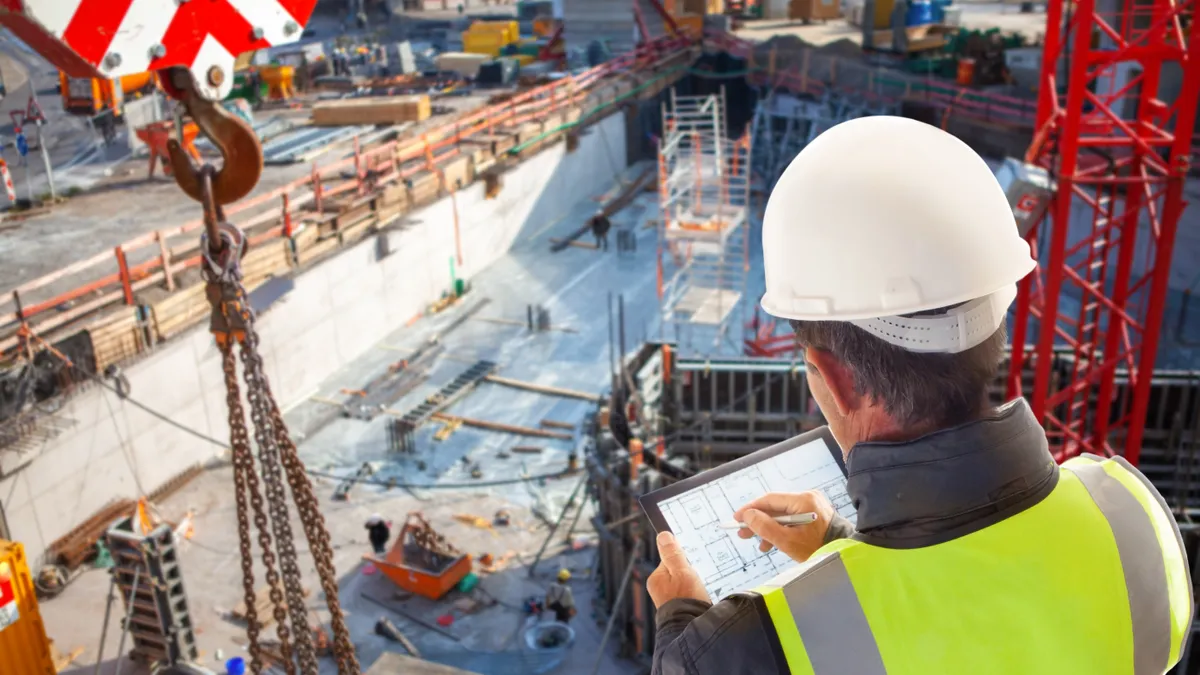
The seat at the table is real. But it only holds if preconstruction teams show up with more than an estimate. Owners need to know which line items are volatile, what their options are and what it costs to wait.
For residential, that may mean telling an owner their pro forma no longer works before they spend half a million dollars on design. For commercial, it is the value-engineering conversation that belongs in schematic design. And for data centers and industrial projects, it is the procurement sequencing strategy that locks in materials before the next price move.
Preconstruction has earned this moment. Now it has to deliver.
Projects that have survived the tariff storm intact share a common thread: preconstruction teams were in the room early enough to flag material exposure, restructure procurement timelines and model cost scenarios before design locked in decisions the market had already moved past. That is not a coincidence. It is a blueprint.
The firms that will lead the next decade of construction are the ones already treating preconstruction as a strategic function.