
Built but not operational
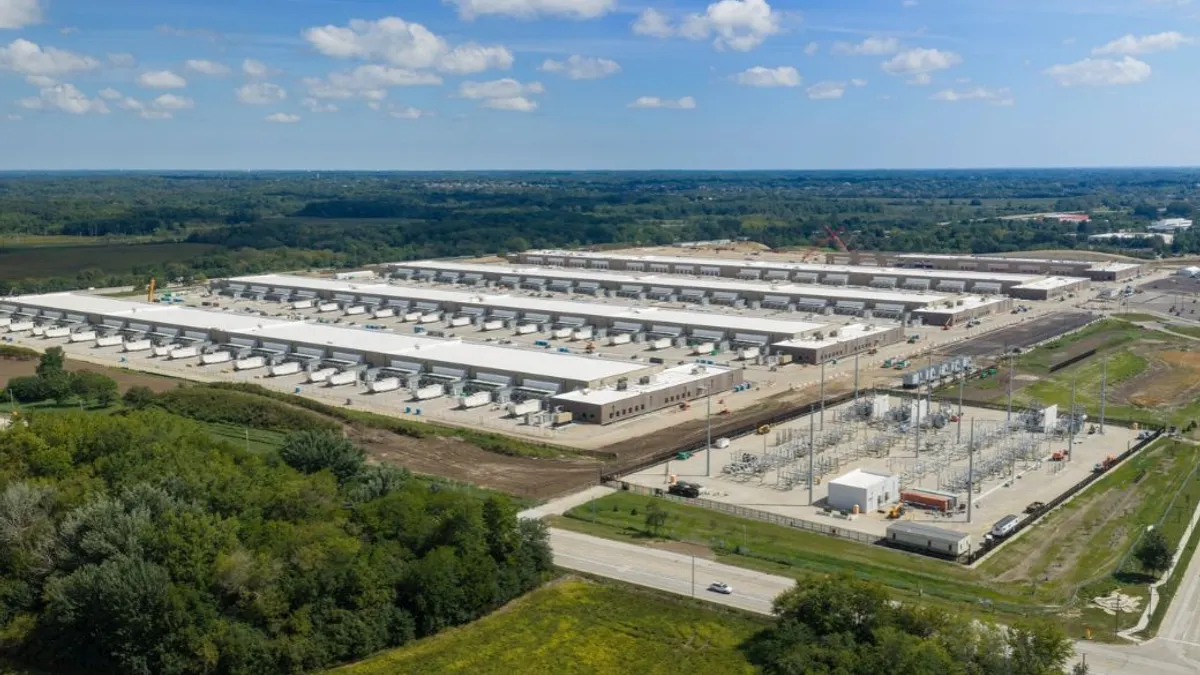
In data center development, a facility can be physically complete yet incapable of operating as intended by its required opening date. For developers and contractors, successful delivery requires construction, utility infrastructure, equipment, permitting and contractual obligations to converge on the required operational date. Central to an effective risk management strategy is a fundamental question that warrants rigorous scrutiny: If the building is complete but the data center cannot commence operations as scheduled, who bears the resulting consequences? That question must be resolved during preconstruction, with the answer informing commitment to schedule, price, insurance and surety.
Another consideration warranting particular scrutiny during the preconstruction risk assessment is access to sufficient electrical power. Capacity which was initially deemed available during project development may become increasingly uncertain as the anticipated operational date approaches, particularly as broader market demand, local grid constraints and utility infrastructure requirements evolve.
According to the U.S. Department of Energy, electricity consumption of U.S. data centers could increase from a 4.4% share in 2023 to almost 12% by 2028. Therefore, delivery schedules should integrate substations, transformers, generators, battery systems and cooling systems, with separate milestones for construction completion, energization and operational readiness. Contracts must address external delays, including time extensions, additional compensation and liquidated damages. Developers need to establish clear commitments around securing sufficient utility capacity and meeting agreed-upon delivery timelines, recognizing that conventional construction schedules may not adequately account for the complexity of these interdependencies.
Water availability presents another critical preconstruction risk, particularly for water-intensive cooling systems. In 2023, U.S. data centers directly consumed approximately 17 billion gallons of water, with annual consumption projected to reach between 38 and 73 billion by 2028. Developers must verify municipal capacity, service timelines, permitting requirements and responsibility for off-site improvements. Contractors should document pricing and schedule assumptions and negotiate relief for unmet commitments. Where risks cannot be transferred, developers need to account for the exposure through design alternatives, schedule contingencies and financial reserves.
Bonding and regulatory considerations
Data center projects may require a range of commercial and contract surety bonds to address obligations to utilities, government entities, landowners and other stakeholders. Where accepted, utility payment bonds can secure payment obligations in lieu of cash deposits or letters of credit, preserving liquidity amid large-load tariffs and collateral requirements. Site improvement and permit bonds address a different set of obligations, including restoration of land affected by construction and related work. Identifying these requirements early reduces the risk that financial security and permitting obligations become additional constraints on project delivery.
Data center developments also face increasing community and regulatory scrutiny. Issues such as water, noise and energy demand should be factored into site selection and pre-bid diligence, as approval decisions may require changes in design or delivery. For example, New York's July 2026 Executive Order paused state environmental permitting applications for certain data center projects, pending a statewide environmental review. Developers should identify the specific approvals that could be affected and incorporate them into the project schedule.
Dive deep into developer/owner funding
In September 2026, Oracle, the primary tenant of New Mexico's Project Jupiter data center development, issued a force majeure notice to a subsidiary of Blue Owl Capital. The notice was reportedly intended to preserve Oracle's contractual rights to defer certain rent payments if power-related delays prevent the campus from opening as scheduled, although Oracle maintains that the project remains on track. Their action illustrates why contractors need to understand owner funding through delays, payment security and whether their agreements provide relief for the same events.
Delayed rental revenue can strain developer liquidity and increase downstream payment risk for contractors and subcontractors. Performance bonds can protect developers against covered contractor defaults, while payment bonds protect eligible subcontractors and suppliers against covered non-payment. Subcontract and supply bonds may provide additional protection for critical electrical, mechanical and equipment packages but because these bonds do not generally protect contractors against developer non-payment, it remains essential to closely evaluate the developer's liquidity and committed project funding.
Early intervention
Involving your insurance and/or surety broker early can improve protection and project economics. Risk advisors should review proposed insurance requirements and negotiate appropriate terms with owners and construction managers before contracts and pricing are finalized. A rolling owner-controlled insurance program (Rolling OCIP) may accommodate phased development while creating potential cost efficiencies. Project enrollment, retained losses, campus concentration and project-specific excess limits should be evaluated alongside the delivery plan.
Risk engineering also provides an additional analytical foundation for effective program design. Probable Maximum Loss (PML) studies can inform property limits and catastrophe exposure assessments, but their assumptions should reflect building separation, equipment concentration and phased occupancy. Insurance reviews should address testing and commissioning, equipment replacement lead times, deductibles and coverage extensions. Developers' protective professional indemnity coverage should be considered alongside designers' and consultants' professional liability insurance to identify coverage gaps and retained exposures.
4 key questions
Data center risk is created by the interaction of infrastructure, contracts, regulation and construction. Managing these risks requires comprehensive surety and insurance solutions that form part of a coordinated risk management strategy. Before committing to schedule, price and contractual obligations, developers and contractors should be able to answer the following four questions:
- How are construction completion, energization and operational readiness defined and who confirms each milestone?
- Who bears the time and cost consequences of utility, equipment and permitting delays?
- Can project funding sustain a delayed opening while contractors continue to be paid?
- Which exposures are insured, bonded, or retained and will coverage and bonding capacity remain adequate through a delay?
The right risk advisor brings these answers together early in the process, while decisions can still be changed. By reviewing leases and construction agreements, testing project assumptions and aligning insurance and surety with phased delivery, your advisor can identify gaps between contractual promises and available protection. That clarity gives developers and contractors a stronger basis for negotiating obligations and funding the risks they retain.
About the Author
Shane Callahan is a Surety Analyst at American Global’s New York headquarters, providing support to surety executives while focusing on underwriting principles, contract review, bond processing and financial statement analysis. He is concentrating on expanding his knowledge of WIP analysis, financial modeling, presentation building, market studies and process improvements including client servicing workflows. Before joining AG, Shane worked in Public Accounting as a Senior Tax Associate in KPMG’s Real Estate Tax group. While there, he developed foundational knowledge of the domestic and international real estate markets. Shane holds a Bachelor of Business Administration in Accounting from Villanova University. He is also working toward his Brokers license, as well as his AFSB Designation.