Dive Brief:
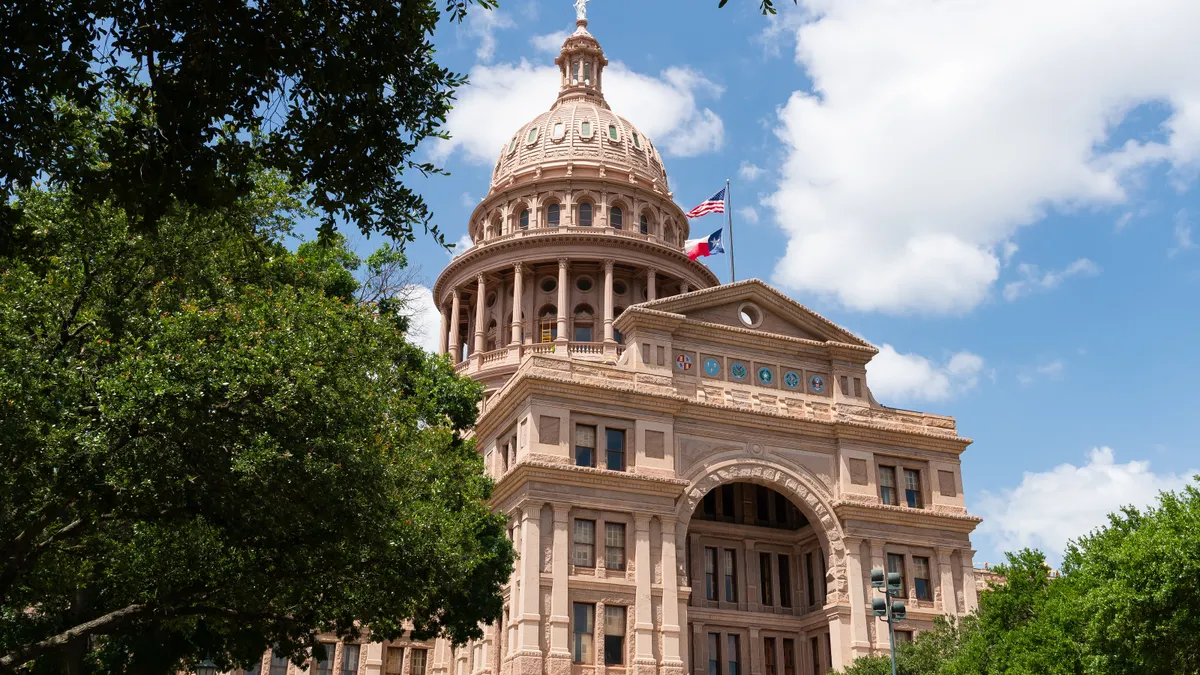
- The Texas Transportation Commission has approved the state DOT’s 2027 Unified Transportation Program, a $138 billion investment over the next decade that will go toward fixing roadways and other infrastructure, according to a Thursday announcement from Gov. Greg Abbott.
- That cash pool includes $95 billion in projected funding from existing state and federal revenue sources, along with $43 billion for development and routine maintenance.
- Abbott cited the state’s economic advancement, which saw above-average GDP growth in 2024, per the Texas Economic Development Corp., and population growth as drivers of the investment, per the release. “This $138 billion investment will strengthen our roadways, reduce congestion, improve safety, and support growing communities across Texas,” Abbott said in the announcement.
Dive Insight:
The UTP’s funding is organized into 12 categories, according to the UTP fact sheet. Specific project types include public transportation, maritime, aviation, rail, freight, international trade and bicycle and pedestrian connectivity, according to the governor’s announcement.
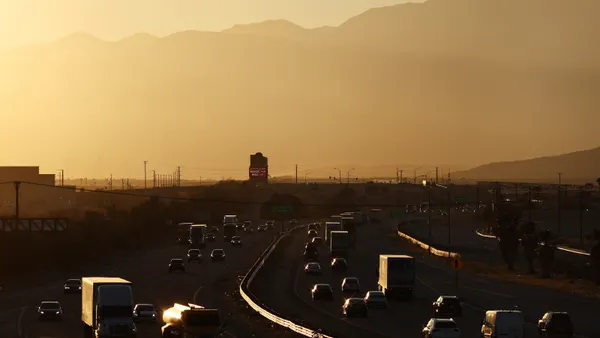
Among those categories, many of the targeted projects in the UTP are those listed on the state’s 100 Most Congested Roadways list, per the announcement. Those roadways cost commuters nearly $15 billion in 2024 with more than 523 million wasted hours in traffic delays, per the report.
“This 10-year plan reflects the scale and complexity of meeting Texas’ transportation needs in one of the fastest-growing states in the nation,” said Marc Williams, TxDOT executive director, in the announcement. “It is focused on practical outcomes—improving safety, preserving the system we have, and supporting reliable movement for people and goods.”
The announcement builds on Texas’ infrastructure funding progress that took place earlier this year. In February, TxDOT announced its construction season plans, which included a key part of the $4.5 billion I-35 Capital Express Central project.
Texas is also gearing up to spend the cash as Congress continues to debate a new surface transportation reauthorization bill, which would fill in the gaps left once the $1.2 trillion Infrastructure Investment and Jobs Act expires on Sept. 30.