Dive Brief:
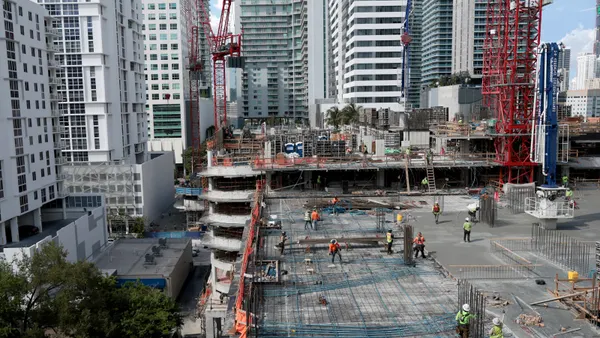
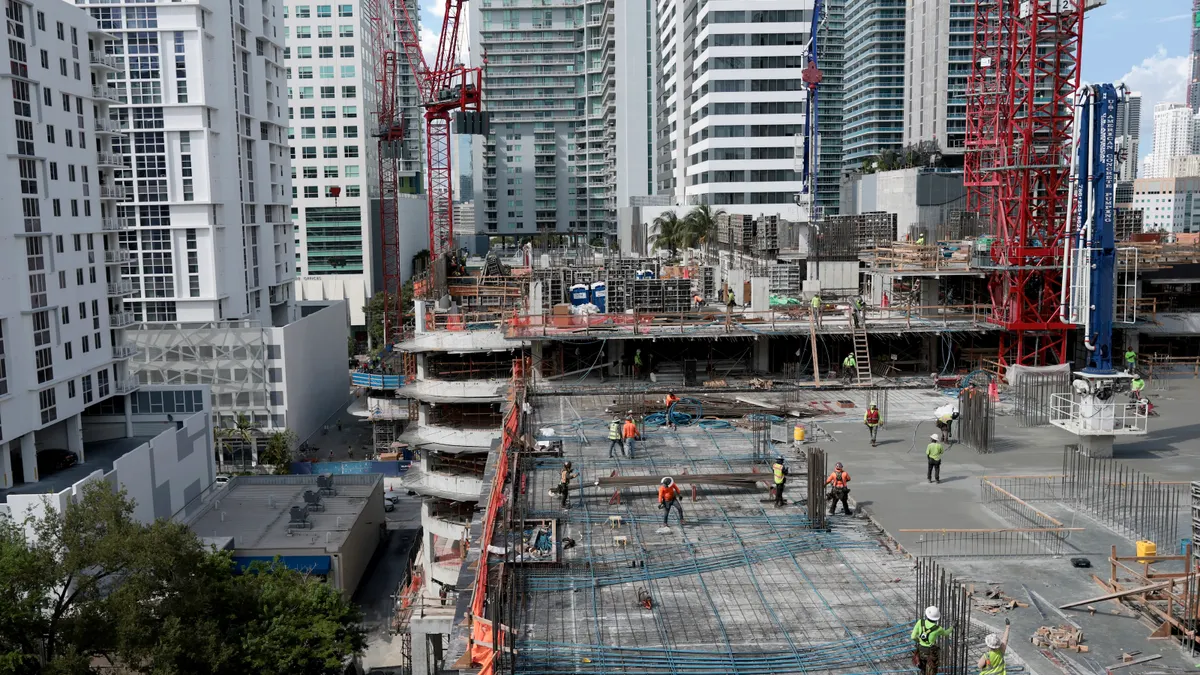
- Construction input prices climbed 11.5% year over year in October, according to an Associated Builders and Contractors analysis of Producer Price Index data released Nov. 13.
- Nonresidential input prices in particular will potentially jump in the short term due to impacts from tariffs, according to the ABC analysis, which focuses on the prices for physical commodities used in construction.
- “With tariff-affected materials like iron, steel and copper still experiencing rapid price escalation, nonresidential input prices will likely continue to increase in the months ahead," said Anirban Basu, ABC chief economist. “Despite rising materials prices, however, contractors remain relatively sanguine about their profit margins.”
Dive Insight:
A modest 0.2% month-over-month uptick in October added to an already “scorching-hot” annual surge in nonresidential input prices, said Basu.
Price escalation from October 2025 is the biggest in more than four years, according to a separate Associated General Contractors of America report. The analysis, which includes costs for construction services in addition to goods prices, notched the annual jump in PPI a bit higher at 13.3%.
The high cost environment and soft demand for construction is putting a squeeze on contractors, according to AGC. Low construction demand is making it difficult for firms to pass along the price increases to project owners, according to the report.
“Construction firms are experiencing ever-greater impacts from tariff- and Middle East turmoil as prices accelerate for metals, fuel and freight,” said Ken Simonson, AGC chief economist. “In addition, lead times for steel and insulation have lengthened, making it harder for contractors to keep projects on schedule.”
Metals prices have skyrocketed since the Trump administration imposed tariffs of up to 50% in 2025, according to AGC.
Over the past year through October, prices for iron and steel jumped 25.1%, according to the U.S. Bureau of Labor Statistics data. During that same span, copper wire and cable also increased 25.5%, according to the data.

On a positive note, prices decreased in two of the three energy subcategories last month, according to the ABC analysis. Nevertheless, the producer price index for diesel fuel, which reflects prices at the refinery or fuel terminal level, more than doubled over the past 12 months, according to AGC.
“Federal officials can help offset the pain of higher materials prices and the challenge of slower demand for many types of projects,” said AGC CEO Jeffrey Shoaf. “Resolving trade disputes, restoring highway and transit funding and preventing limits on construction activity will help construction employers that are currently being squeezed by high prices and soft demand.”