

Editor’s note: This story focuses on the topic of mental health and suicide. If you or someone you know is having suicidal thoughts, call the National Suicide Prevention Lifeline at 988.
Shandon Harbour views mental health training as any other kind of hazard instruction on the jobsite.
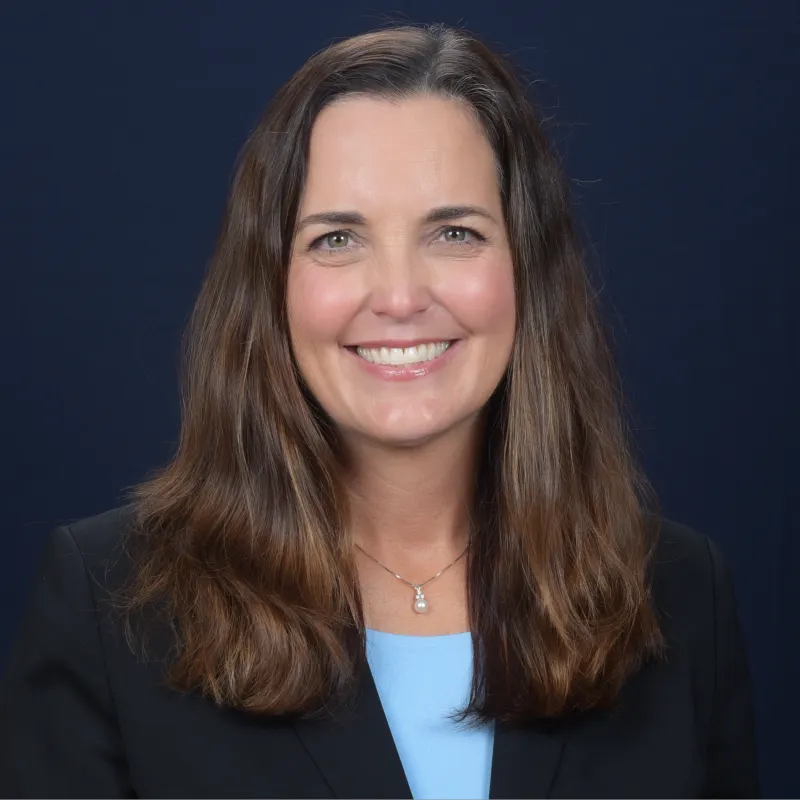
As president and CEO of Associated Builders and Contractors San Diego, Harbour has overseen a suicide and mental health safety training launch. The program teaches and advocates for awareness and teaches people how to intervene.
This program is not just for member firms, but also for the 700 apprentices studying in the five trade areas ABCSD partners with, said Harbour, who is also chair of the chapter presidents to the ABC National Board of Directors for 2026.
Here, Harbour talks with Construction Dive about the importance of mental health awareness, how it can benefit the emerging workforce and why prevention training is like CPR.
The following has been edited for brevity and clarity.
CONSTRUCTION DIVE: How are you trying to change the way people talk about mental health as a part of safety?
Shandon Harbour: In construction is we all have to have certifications for physical safety. Construction fatalities are talked about in a very precise way. But the reality is that six times more people die by suicide than from physical hazards. So mental health safety is just as important as physical health safety, yet we don't do enough to talk about it or integrate it.
What we're doing now is we're having these one hour sessions. We can talk to the teams and equip them with the signs, the things to be looking for.
What are some of the signs?
As a culture in the construction industry, guys don't talk about these things. “Suck it up, Buttercup” is usually the rule of the road. Command and control.
The trades are really hot. Generation Z is called the toolbelt generation because they went through school during COVID, they are not interested in getting into college debt. The trades are giving them great career-sustaining and family-supporting jobs.
But if we're going to keep them there, we've got to do a better job at being people-centered.
This generation is not a generation of command and control. That's old-school construction. We need to be tapping into them and getting to know them and trying to find out what are the things that motivate them.
This whole effort, in addition to raising awareness, is really about getting to know your employees and getting to a different style of leadership.
Has the awareness around focusing on this problem improved?
This program came to us about two years ago, and our members and our team said, “This is really important.” We wanted to make sure we had this service for our San Diego community, the small-to-midsize contractors. So, yes. I would say awareness has really been brought to the forefront.
I'm going to be brutally honest, it's not usually received with like, “Oh wow, that's an amazing, great idea.” Usually it's a cautious, “What is it you want to do?” Because these are things that are not usually talked about, and it's not an easy conversation to have. It takes a little bit of convincing.
And as we've gone through the evolution now, they absolutely embrace it. I go to these board member companies, they have invited us in. They believe in it. They want the training, they want to make sure their employees are hearing it.
Then we embedded it into our apprenticeship program. I will tell you every time, there's always students that come up to me and say, “Thank you so much for having this.” It has been very positive.
What does that training look like?
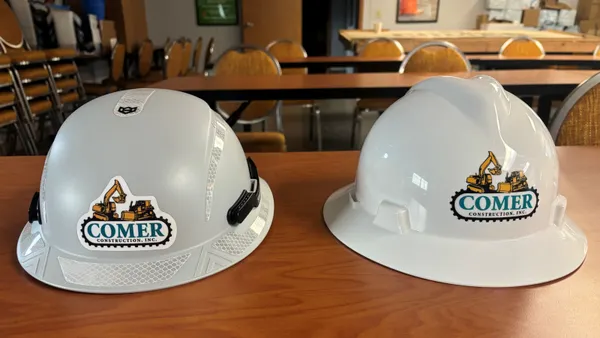
For an employer, it's very much like a CPR class. You don't have to be a doctor to save someone. Anyone can help. Someone comes in to speak to the entire company for a 90-minute training, give or take. We go through three chapters and videos and group work. And then we give them a script and we give them some tools, we give some resources, the 988 number, the hard hat stickers and cards.
For apprentices, they get the same thing. So we teach them things like CPR training and then we have them practice.
We show them what it looks like if you were noticing behaviors and ask directly about if someone is considering suicide.
You don't want to beat around the bush. People get nervous around it, “What should I be asking?” And we teach them. Again, it’s like CPR. You hold the place there until you get them to the ambulance, or in this case, a resource number or an employee assistance program or whatever it is.
What should all contractors know to improve the culture around mental health on their jobsites?
I think we really have to take on the mindset of the Marines; no man or woman left behind. We need to be caring for each other. And that sounds really soft for the construction industry, but I think that's the number one thing a contractor can do tomorrow is build that culture. To say “we’re going to start having these conversations at every level.”