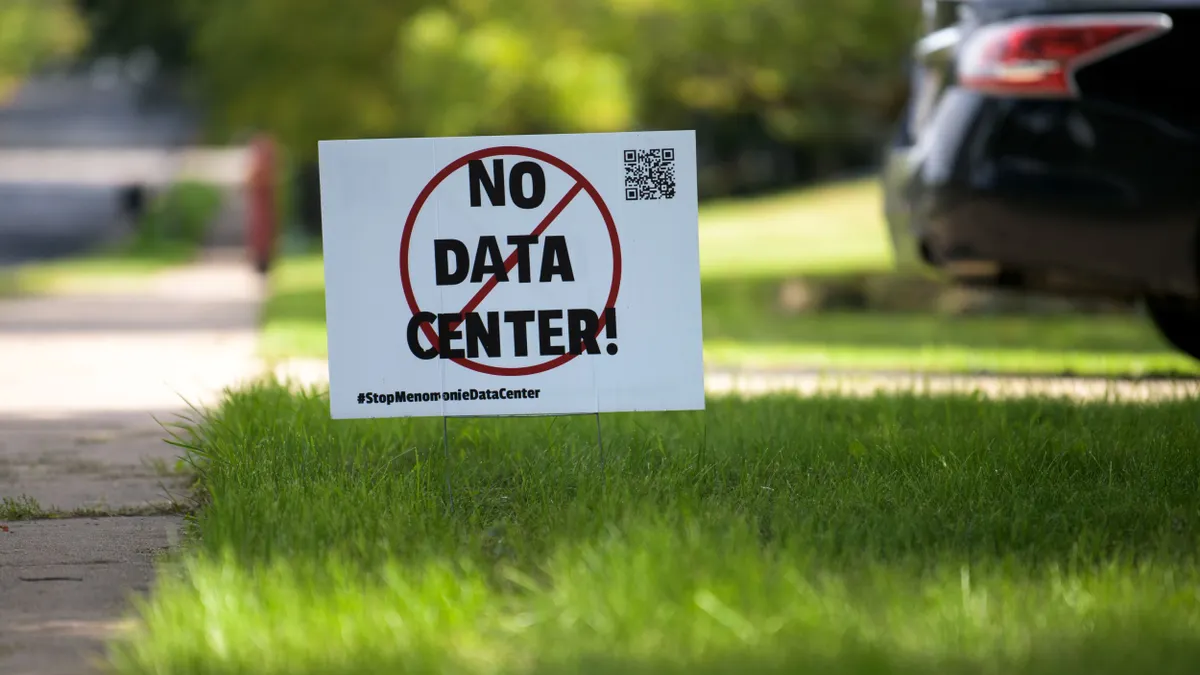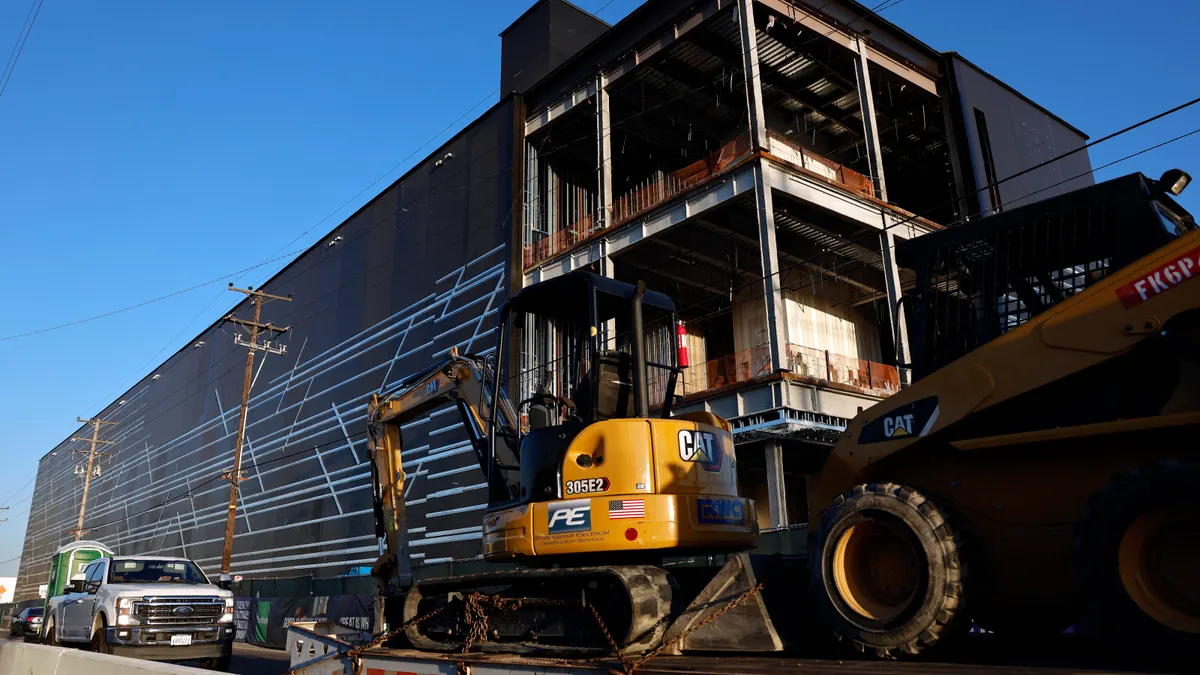
An effort to slow data center construction in Maine stalled last week.
Maine Gov. Janet Mills vetoed a bill on April 24 that would have imposed a ban for more than a year on data centers larger than 20 megawatts. The state legislature did not gather enough votes Wednesday to override the veto.
The ban would have been the first state moratorium on the construction of data centers in the U.S. Other states have proposed similar limits on data center construction, but unlike in Maine, none of those bills have reached a governor’s desk.
“A moratorium is appropriate given the impacts of massive data centers in other states on the environment and on electricity rates,” wrote Mills in a statement following the veto. “But the final version of this bill fails to allow for a specific project in the Town of Jay that enjoys strong local support from its host community and region.”
That specific project, a $550 million data center redevelopment, is highly popular among locals for bringing jobs and investment back to a former mill site, Mills said. State officials estimate the work will generate more than 800 construction jobs, as well as provide a boost to property tax revenue.
Here, Construction Dive talks with attorneys John Crossley and Kaitlyn DeYoung, partners at K&L Gates, a Pittsburgh-based law firm. The two outline statewide moratoriums, the 20-megawatt cap and construction activity.
This Q&A has been edited for brevity and clarity.
CONSTRUCTION DIVE: What would a ban like the one in Maine have meant for construction in the state?
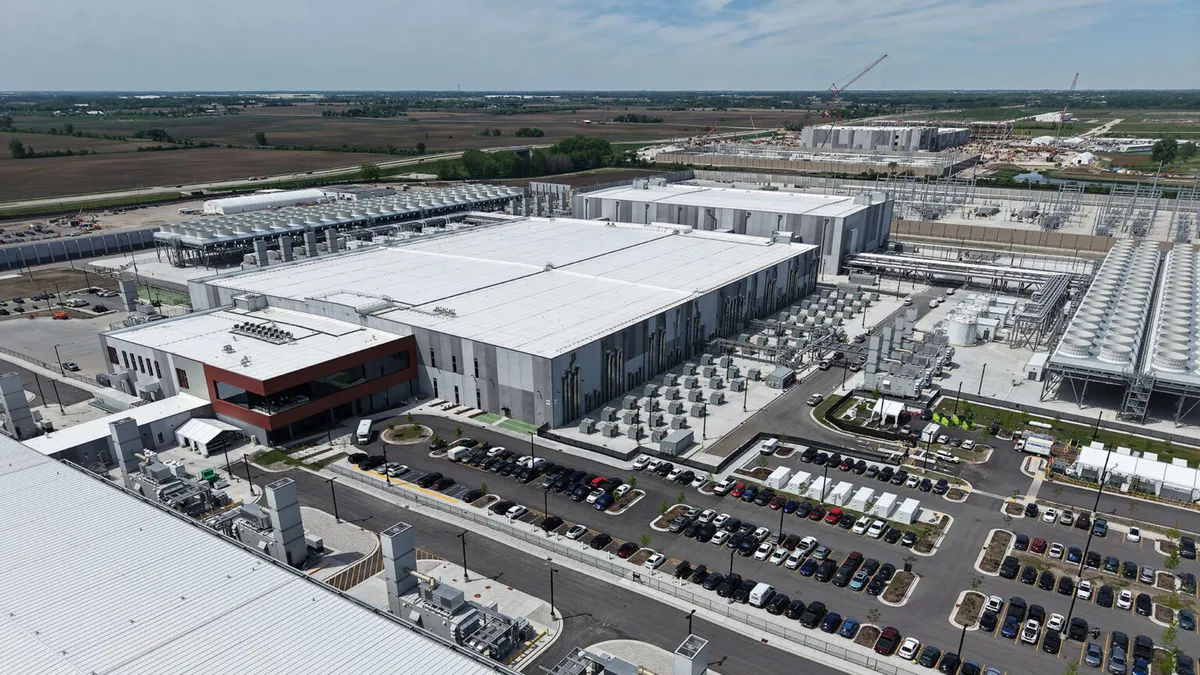
KAITLYN DEYOUNG: This would have had a big impact for constructing teams, given that large data centers aren't quick builds. They're multi-year projects with heavy site work, substations, utility extensions and long-lead electrical procurement.

A statewide pause would have interrupted an entire construction pipeline.
A statewide cutoff also would change how projects get shaped. Developers and towns usually work through conditions on things like traffic routing, noise limits, backup generation, water use and who pays for grid upgrades. That local bargaining path goes away under a statewide moratorium, even for projects that could meet local expectations with the right conditions.
The biggest practical effect is that demand would have shifted instead of disappearing. Developers who can't see a clear regulatory path are going to redeploy capital. And when that happens, the construction work, along with infrastructure investment, is going to move with it. If nearby states offer clearer rules and shorter timelines, capital and contractors are going to follow.
Does the 20-megawatt threshold capture most data center projects? Are there opportunities for smaller builds?
JOHN CROSSLEY: The 20-megawatt line captures most of the data center activity people are worried about, especially projects tied to cloud and AI. Those are the ones planning for a steady, around-the-clock load that rises well past that level.
A 20-megawatt ceiling still leaves room for smaller builds, edge facilities near population centers, enterprise facilities tied to a single company, smaller colocation sites serving regional demand. But those projects tend to plug into existing distribution systems with lighter mechanical and electrical scopes. They don't replace what's being paused.

A hard threshold also creates odd incentives.
If a project needs more load in year two, the developer can’t expand in a straight line. They’re either going to stop or split the campus across parcels, phases or entities which is going to add cost, complicate financing and create avoidable permitting fights.
And there's a misunderstanding that comes up a lot, which is that stopping the big projects frees up power for everyone else. That's not how the grid works. You don't create power by stopping someone else from using it.
If Maine wants to keep some of this work in state, pairing size limits with clear siting standards would go further. Towns and utilities care about backup generation emissions, sound, water sourcing, stormwater, traffic, tax structure and grid upgrade timing. Clear answers on those topics are going to do more work than a bright-line cutoff.
Could other states follow suit with limits on data center development?
CROSSLEY: Other states are watching Maine closely.
No other state has passed a statewide moratorium. Plenty have talked about it, plenty have floated bills, but Maine is the first to clear the legislature. The impulse is showing up across the country, even when it doesn't take the form of a statewide cutoff.
Up to now, most of the action has been local communities using temporary moratoria to slow approvals while they study impacts or rewrite zoning. Others have added special use permit conditions and development agreements focused on the infrastructure side of the project.
In public hearings, people zero in on the infrastructure package, who funds transmission and distribution upgrades, diesel backup generation and air permitting, water use and wastewater capacity, traffic and road wear, noise.
DEYOUNG: States are going to respond in different ways.
Some will try caps or thresholds. Some will require studies and reporting. Some will use tariff tools or cost allocation rules to shift who pays for upgrades.
But here's the thing, a local pause is something you can work around. A statewide pause changes how developers and construction firms look at the whole market. Whether other states follow Maine depends a lot on what happens next.
Developers have to treat this as a schedule and risk issue. The projects that move fastest right now are the ones that line up power, land, procurement and local approvals in one plan.
What other data center construction trends are you watching?
CROSSLEY: Power timing is what sets the schedule now.
Almost everywhere, developers start interconnection and procurement work at the same time they pick a site. You can have everything else lined up and still be unable to pour concrete because the grid can't deliver power on the timeline you need.
Grid planners are trying to react to fast demand growth. The North American Electric Reliability Corporation, or NERC, has flagged worsening reliability risk over the next decade and points to new data centers as a major driver. That backdrop is why utilities, regulators and communities are all thinking so hard about this.
Interconnection queues and cost allocation fights are pushing new deal structures. Some projects are exploring co-location with generation, microgrids or behind-the-meter models. Those structures change the construction scope and trigger new regulatory questions.
Construction risk has gone up for reasons contractors feel every day. Long-lead electrical equipment drives schedules. Commissioning and performance testing requirements keep shifting. Owners and contractors are adjusting contract terms to allocate procurement, testing, and delay risk differently than they used to.