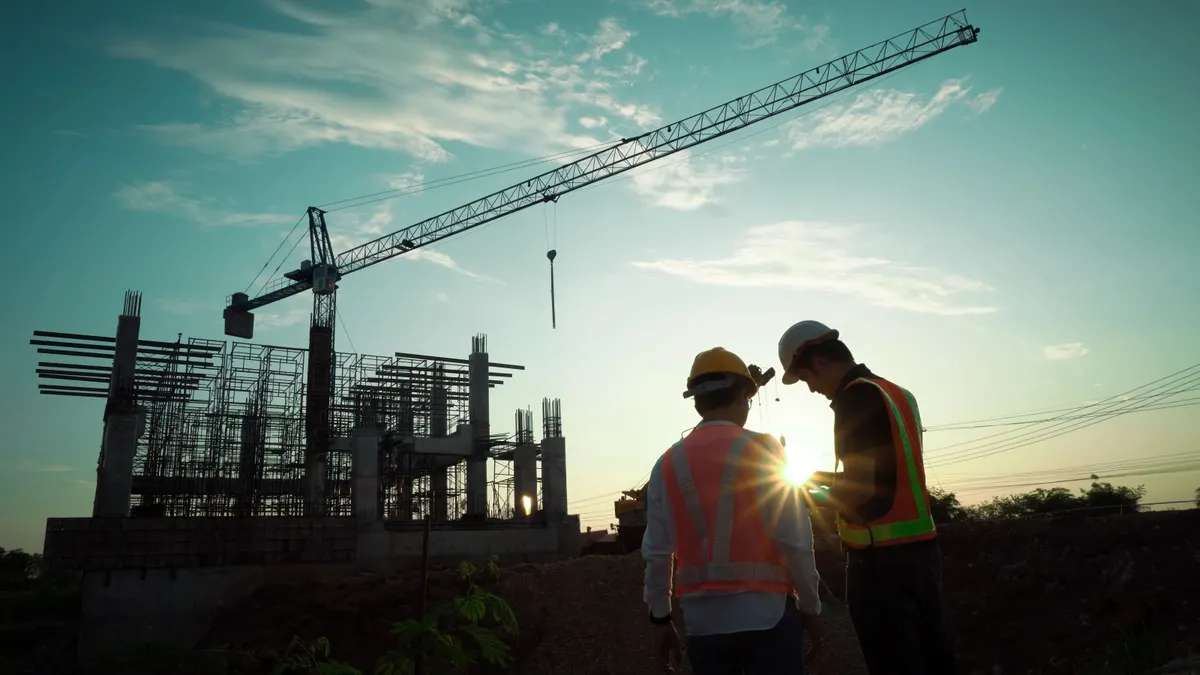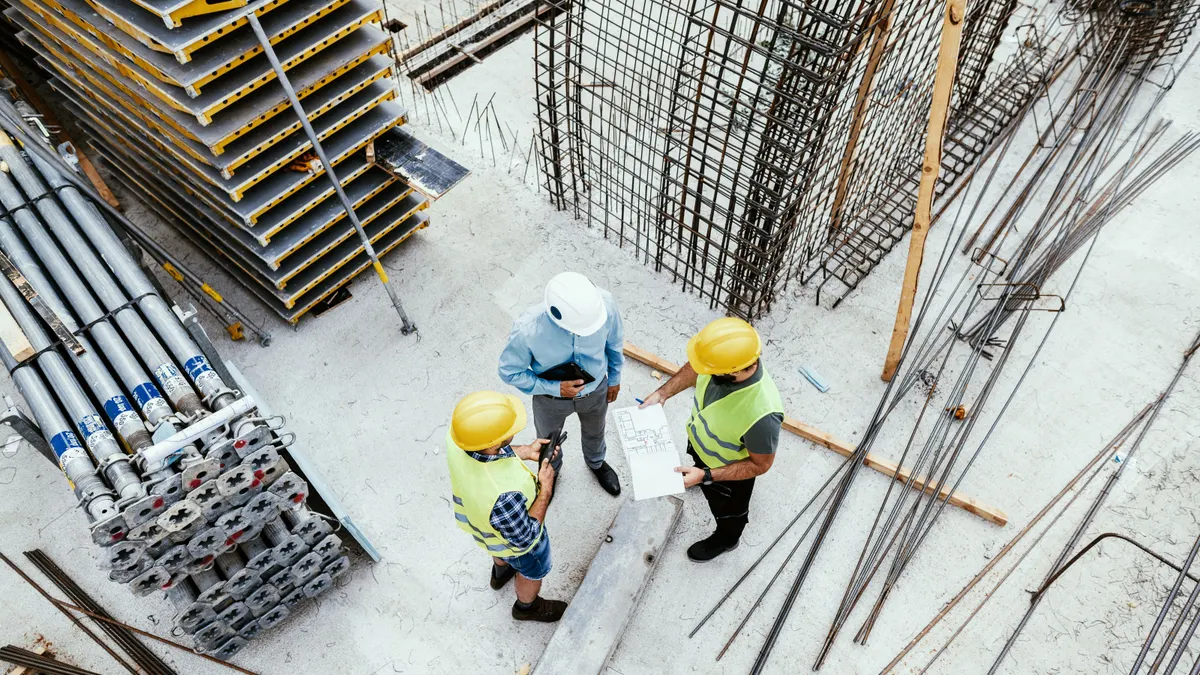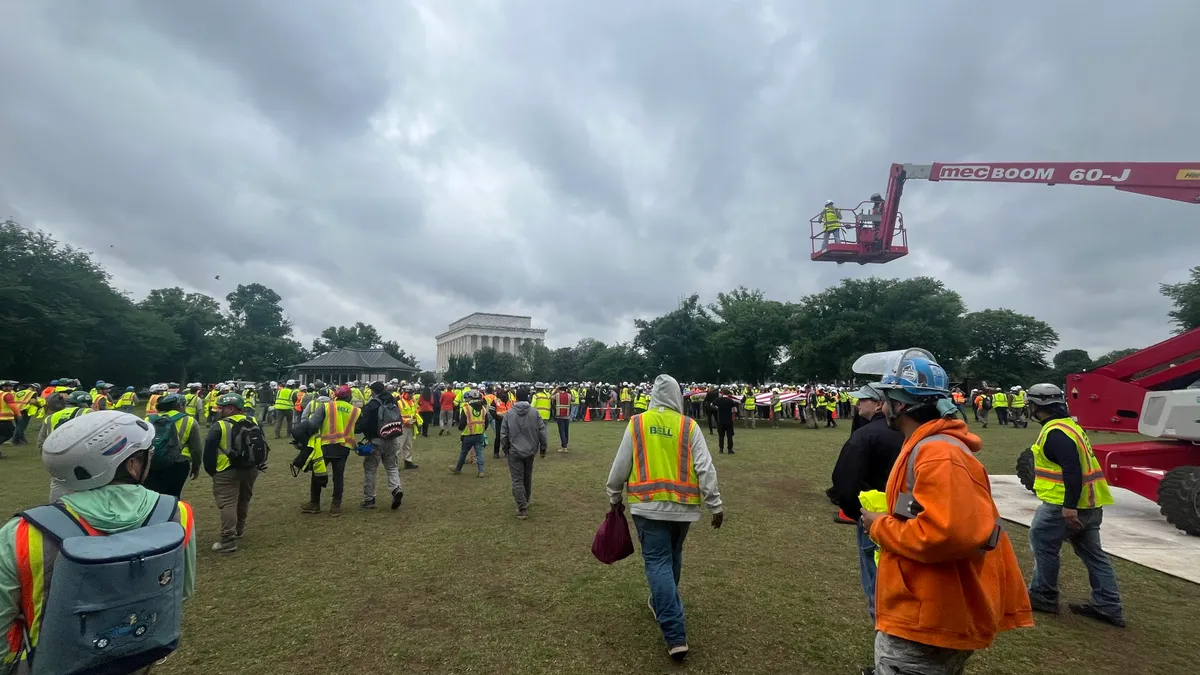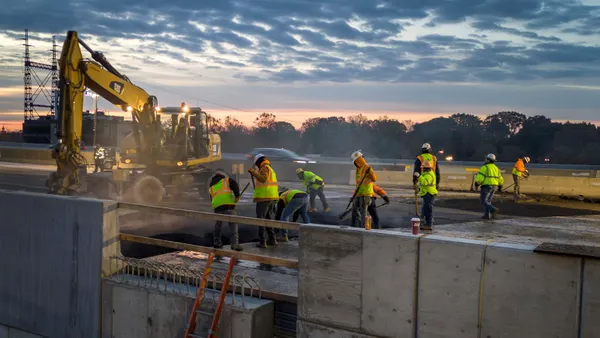


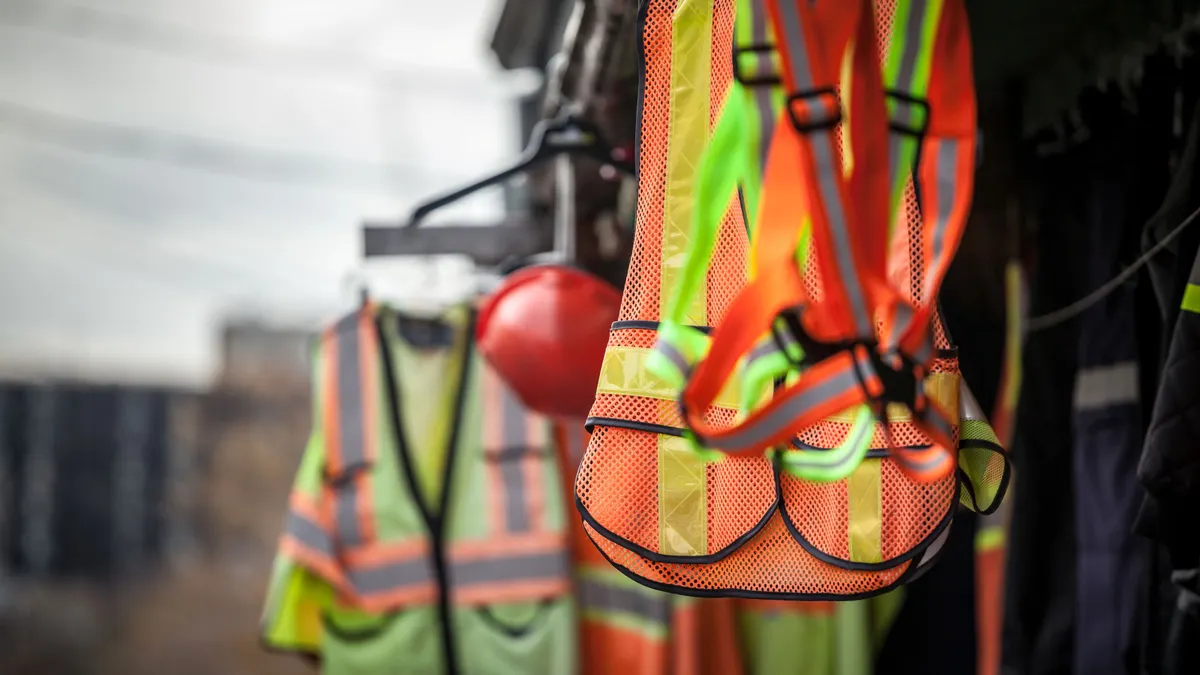
Construction Safety Week has kicked off. For the next five days, jobsites across the country will pause work, review best practices and discuss the importance of safety.
Many of those discussions will focus on the week’s theme, “All In Together.” That was also last year’s mantra, but Safety Week leaders say they are building on work from previous years, as well as focusing those efforts through a new lens of three actions: recognize, respond, respect.
The actions change the context and move the conversation forward, Adam Jelen, CEO of Providence, Rhode Island-based Gilbane Building Co., told Construction Dive.
“It builds off of the prior year and goes deeper. The themes are anchored in this unified call to action on high energy, high hazard work to prevent serious injuries and fatalities,” said Jelen, who is also the chair of the Construction Safety Week executive committee.
For major leaders in the industry, the theme has multiple meanings that range from getting onto the same page across organizations to arming teams with the tools necessary to protect one another better.
What ‘All In together’ means to leaders
Beginning in 2017, Shaun Carvalho, chief safety officer for Boston-based Shawmut Design and Construction, said the contractor joined its competitors in collaborating with the Associated General Contractors of Massachusetts to create a unified safety standard.
Creating a uniform safety ideology was tougher than he imagined, Carvalho said. That was due to the numerous different perspectives and angles from which the various builders viewed work. But the effort was necessary.
“We need to be all in this together, because the trades that work on our individual jobs also work on our competitor’s jobsites,” Carvalho said.
Teaching all workers, regardless of who’s in charge of the jobsite, to have the same knowledge of safety proved a task worth taking on.
Jelen said that exact mindset of unity in practice is what the activity behind Construction Safety Week’s theme has driven at.
“When companies use different terms and different models, the same exposure can be treated differently from job to job, and that creates gaps in recognition, response and adoption across the project life cycle,” he said. “What we are driving toward is simplification and standardization, especially in how we recognize, respond and respect high-risk work. This way crews are not translating between systems every time they change jobsites.”
Recognize, respond, respect
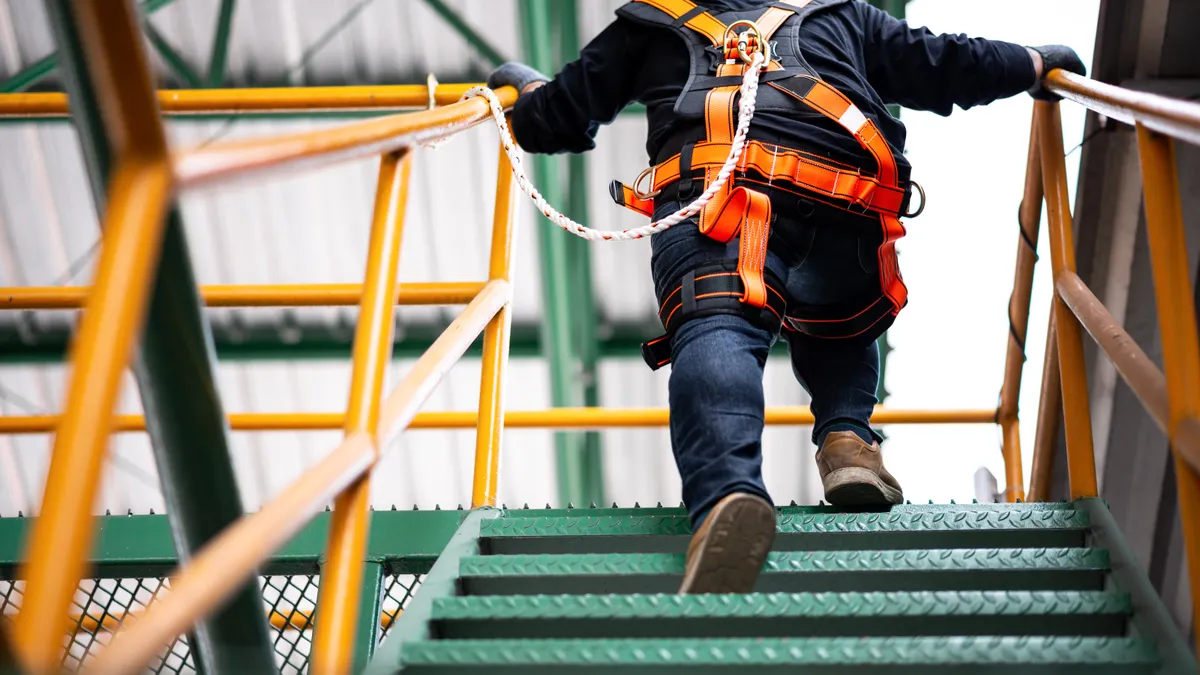
The technical team outlined the actions of the week in three bulletins released ahead of Safety Week. Jelen emphasized the focus on high energy hazards, sometimes called STCKY, or stuff that can kill you. Those refer to hazards on the jobsite that can lead to serious injury or death, often due to working at a height or near a fast moving piece of equipment or material.
To keep improving, Jelen said, the executive committee wanted to recognize those high energy dangers with the potential for serious harm, respond by putting protections in place to mitigate the hazards and then respect the issues by taking the hazard seriously while valuing the time and safety of everyone on site.
Steve Spaulding, senior vice president and chief environmental health and safety officer for New York City-based Turner Construction, likened the three R’s to being a brother or a sister’s keeper.
“The millions of people that work in the construction industry, no one there is alone. And we’ve got to make sure that everybody that's working on the jobsite is looking out for each other as well as themselves,” Spaulding told Construction Dive. “We need to make sure that we're recognizing hazards and responding to them and respecting the people doing the jobs. But also that everyone's doing that for everybody else as well.”