David Grandstaff is Midwest president for Adolfson & Peterson Construction. Opinions are the author’s own.
The construction industry needs more people.
Associated Builders and Contractors estimates construction must attract 349,000 net new workers this year alone. A recent Associated General Contractors of America and National Center for Construction Education and Research survey also found that 87% of contractors have openings for hourly craft workers. Among those trying to fill craft positions, 88% say those jobs are as hard or harder to fill than they were a year ago.
Creating more pathways into the trades is an important part of the solution. Earlier exposure can help young people understand the range of careers available to them and what they offer. But as a commercial construction leader, my responsibility — and the responsibility of my colleagues — doesn’t end when someone new is hired.
As an industry, we must develop and retain the people we recruit. In a tight labor market, getting someone in the door solves an immediate need. What happens next determines whether that person develops the skills to build a career and ultimately a future in our industry.
That responsibility matters even more as technology and artificial intelligence reshape the work we do. Construction will continue adopting tools that make planning, estimating, communication and project delivery more efficient. Yet, the work still depends on our judgment, experience, collaboration and hands-on skills. Developing that level of expertise takes time and attention.
Finding the next jobsite leaders
As leaders, we know what our business needs next — another superintendent, a strong foreman or someone ready to manage a larger project. When these needs arise, start by looking within your own ranks. Who is ready for the next challenge? Who is looking for more experience? How can I support the advancement of our existing workforce?
Some people want to lead teams. Others want to deepen their technical expertise or learn a different part of the business. Understanding those goals helps us put the right opportunities in front of the right people. Sound simple? It’s not.
When a schedule is tight and the stakes are high, bringing in a seasoned leader is often the natural choice. Yet, the better long-term decision may be to give someone else the opportunity to try.
That might mean assigning a new responsibility, asking an employee to lead part of a project or giving someone room to make a big decision with a leader nearby for support. The work may take longer at first, but that real-time experience is how capability grows and talent is retained.
This mentorship mindset becomes even more important when hiring the next generation of our workforce. A new employee may not arrive with every technical skill required for the job. Employers can look for qualities that are much harder to teach — reliability, curiosity, willingness to learn and the ability to work with others. Technical capability can grow from there with experience and coaching.
Hands-on mentorship and coaching
Construction leaders play an essential role in that process. Their value extends beyond their own productivity. They carry knowledge that the next generation needs to succeed.
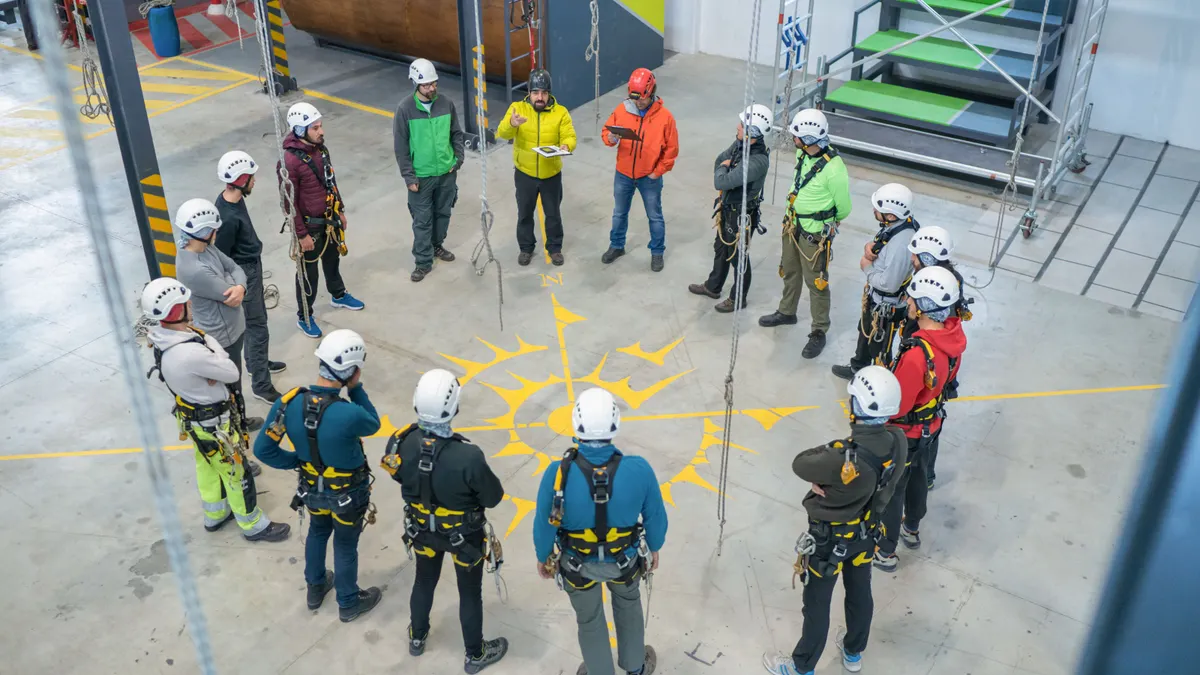
Formal apprenticeships, training programs and continuing education provide important structure, but a lot of professional growth also happens during ordinary work. A superintendent explaining why a decision was made, a foreman walking through a more efficient way to complete a task or a manager having a candid conversation about what someone should work on next. Over time, those experiences shape careers.
I've seen many people begin in the field and eventually take on significant leadership responsibilities. Rarely does that progression come from a single training program or mentor. It comes from a series of opportunities, conversations, challenges and people willing to invest their time in someone’s career.
That is where retention and development intersect.
Employees are more likely to see a long-term future with an organization when they can see opportunities ahead of them. Clear feedback, meaningful responsibility and visible career paths give people reasons to keep building their skills and taking the next step.
Workforce programs help bring more people into the trades and build a stronger pipeline into construction. That matters. But it's up to leaders in construction to carry that effort forward and make the opportunity a meaningful one, for those employees and for where our industry is headed.
Solving the industry's workforce challenge requires bringing more people into industry. Our long-term success depends on what we do with their potential once they arrive.