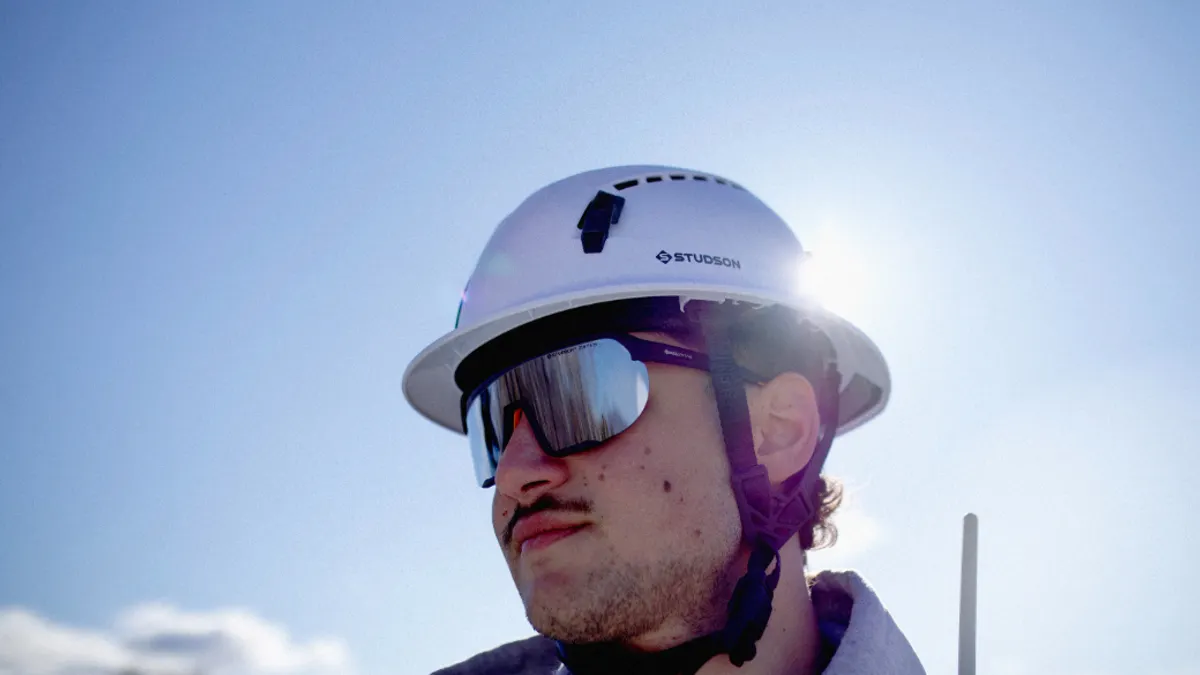

For decades, the traditional Type I safety helmet has served as the standard for construction head protection in the United States. Designed primarily to protect against impacts from above, they've served workers well on job sites across the country, but haven't kept pace with the demands of the modern-day construction site.
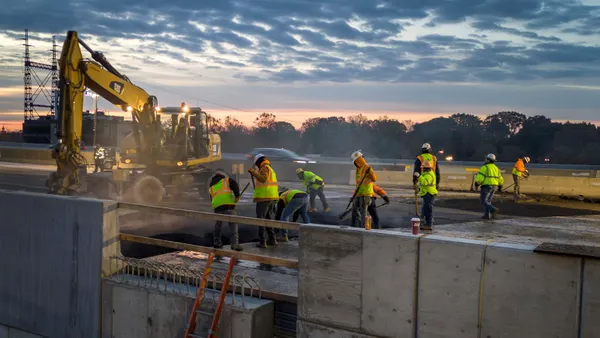
Today's construction environment looks very different from what it did even ten years ago. Workers are navigating increasingly complex job sites, operating around heavy equipment, working at heights and performing tasks that expose them to impacts from multiple directions.
As safety professionals continue to analyze injury data and employers strive to reduce serious incidents, head protection is evolving to better address today's risks. That's why Type II safety helmets have gained significant traction across the construction industry in the U.S. and now, across North America.
A new approach to head protection
Unlike traditional Type I helmets, tested only for impacts to the top of the head, Type II safety helmets are engineered to help protect workers from both top and lateral impacts. This additional protection addresses one of the most common realities of construction incidents: not every impact comes from directly overhead.
A worker slipping on uneven ground or knocked sideways during a fall can experience impacts that conventional Type I helmets were never designed to manage.
While no helmet can prevent every injury, expanding protection beyond vertical impacts reflects a broader understanding of how head injuries occur in real-world job site environments.
Drivers behind the shift
Several factors are accelerating the adoption of Type II helmets across North America.
Owners and general contractors are increasingly updating project safety requirements to specify Type II head protection on major projects. Insurance providers continue to emphasize proactive risk-reduction strategies, while contractors are seeking equipment that better aligns with evolving safety expectations and considers comfort and style.
At the same time, many companies are taking a closer look at leading indicators and opportunities to prevent serious injuries before they happen.
Rather than viewing PPE as a minimum compliance requirement, many safety leaders are evaluating whether newer technologies can provide additional protection for workers performing inherently hazardous jobs.
Beyond compliance
For contractors considering a transition, compliance remains important, but it is not the only factor driving purchasing decisions.
Modern safety helmets often incorporate features designed to improve both protection and usability, including secure chin straps, integrated eye and hearing protection, improved ventilation and accessories and technologies that enhance communication or visibility on busy job sites.
Comfort also plays a significant role. Equipment that workers are willing to wear correctly throughout an entire shift ultimately delivers greater protection than equipment that's uncomfortable, frequently removed or not worn properly. As manufacturers continue refining helmet designs, evolving toward full-brim helmets rather than just climbing-style models, user acceptance has improved considerably.
Dual certification provides flexibility
One challenge for contractors has been balancing new safety technologies with the realities of diverse project requirements and locations.
Some jobs still specify traditional Type I standards, while others are beginning to require Type II protection. Products that meet multiple certification requirements can help simplify equipment management across different crews and projects.
Helmets with dual certification across the U.S. and Canada enable contractors to standardize head protection while maintaining compliance across a variety of work environments, reducing complexity for safety managers responsible for outfitting large teams.
Preparing for what's next
The transition toward Type II helmets is unlikely to happen overnight, but the industry's direction is becoming increasingly clear.
Forward-looking contractors are using this moment to reassess their overall approach to head protection, considering both regulatory requirements and how equipment can help reduce the severity of workplace injuries.
As safety technology continues to evolve, companies that proactively evaluate emerging best practices may be better positioned to protect their workforce while meeting the expectations of customers, project owners and employees alike.
For manufacturers, the next generation of safety helmets reflects this evolution. Offerings such as STUDSON's dual-certified Type II safety helmet meet both ANSI/ISEA Z89.1 and CSA Z94.1 requirements, giving contractors one helmet built for compliance on both sides of the border.
Ultimately, the industry's goal hasn't changed: ensuring every worker returns home safely at the end of the day. Type II helmets represent an important step toward achieving that objective.