
Industrial head protection is only as good as its fit. A safety helmet that rocks with every turn of the head, sits too high on the crown, or presses hard at the temples turns real protection into a liability. For safety professionals, fit deserves the same rigor applied to hazard assessments, training and equipment maintenance. The reason is simple. The brain is the most valuable tool on any job site and a helmet only protects it when it stays put and gets worn.
ANSI/ISEA Z89.1 sets the performance criteria for industrial helmets. Type I addresses impact to the top of the head. Type II adds protection against lateral impact, front, back and sides. Type II helmets are increasingly common on the job site for that added coverage. But certification only reflects how a helmet performs in a lab. It says nothing about how it performs on a specific worker's head and a wrong fit erases the margin the certification was supposed to guarantee.
When fit fails, protection follows
Correct fit is more than pulling a size off a shelf. Head circumference, helmet position and suspension adjustment all determine whether a Type II helmet can do its job. A helmet worn too tight causes pressure and fatigue across a long shift and a worker in pain takes it off or leaves the chin strap unbuckled. A suspension system that doesn't match the head shape rides wrong, sits high, or shifts under movement. In each case the helmet is technically present and functionally compromised.
Adjustability, ventilation and low-profile geometry get treated as secondary to certification and impact ratings. In practice they are inseparable from protection. Better airflow means a worker keeps the helmet on through a hot shift. An intuitive adjustment system means it gets worn correctly. A lower-profile design means it clears obstructions instead of catching on them and getting removed. These are baseline protective factors, not comfort upgrades.
More sizes for more heads
Standard sizing clusters around a statistical average that does not reflect the range of the actual workforce. Head circumference, shape and hair all change how a helmet sits and performs. Workers with larger heads have long faced a bad choice between a helmet that fits poorly and one that does not fit at all. That is a protection gap, not an inconvenience. Manufacturers who widen size ranges and adjustability are not offering a niche accommodation. They are delivering the basic function a safety helmet exists to provide.
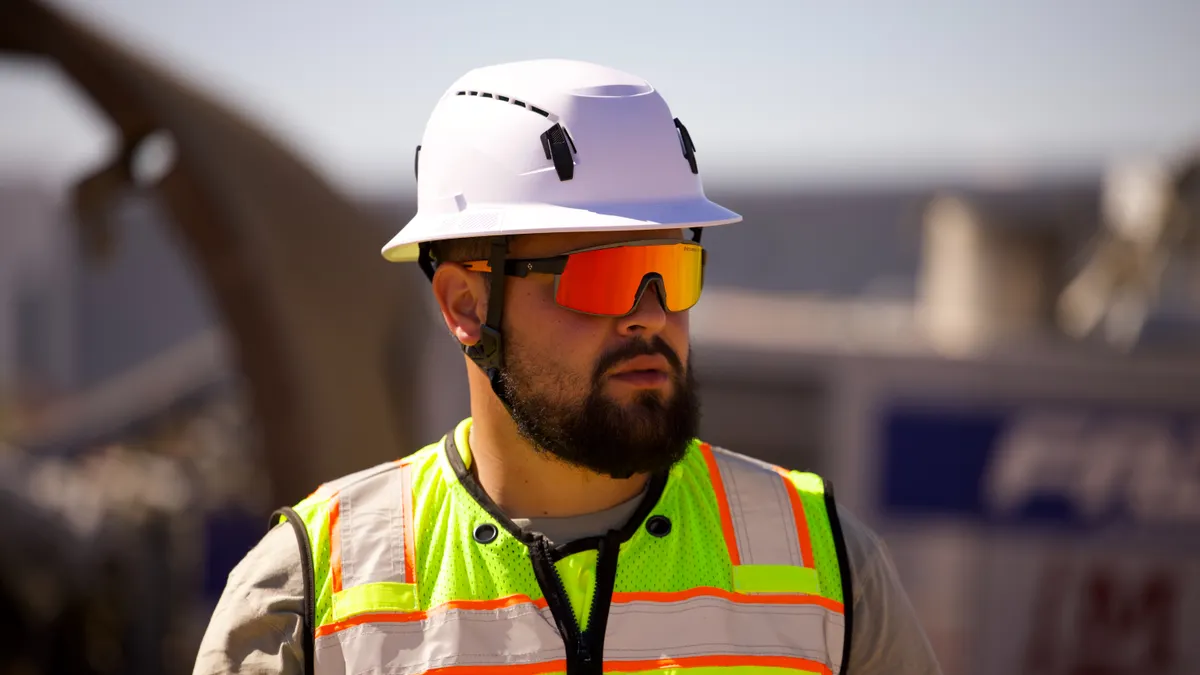
Helmet makers are beginning to close that gap by extending sizing at both ends, including extra-extra-large (XXL) Type II safety helmets built for larger head sizes, such as those from STUDSON, which fit head circumferences from 60 to 65 centimeters. Expanded sizing addresses a need that has gone unmet for workers who previously had no properly fitted certified option. It is a direct example of what happens when manufacturers treat worker and safety-manager feedback as design input rather than an afterthought.
Shared responsibility for better fit
Fit is a shared responsibility. Employers should evaluate helmet fit well past the point of initial issue and build it into routine safety audits. Workers should be able to report discomfort or fit problems without having the concern dismissed as a preference. Manufacturers should treat feedback from the field as essential design input.
A helmet that doesn't fit isn't protective equipment. It's a compliance checkbox. Closing the gap between lab certification and real-world fit is work worth doing, because it pays off in protection that holds up on every head, on every shift, on the way home.