
“Sociable” is the latest commentary on important social media developments and trends from industry expert Andrew Hutchinson of Social Media Today.
Meta announced another training partnership program related to the development of construction jobs in the U.S., as the company works to counter concerns about its massive data center projects and their potential for disruption in development locations.
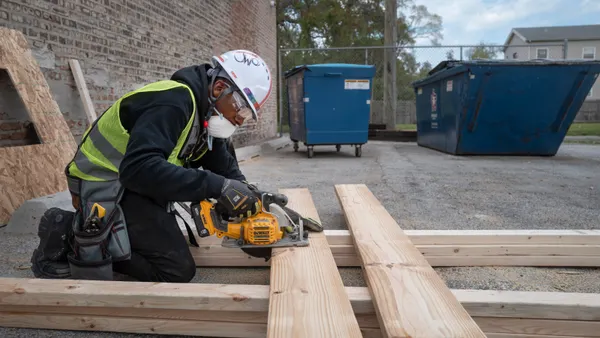
Meta's new deal with North America’s Building Trades Unions is designed to support training for skilled trades workers across the country.
Working alongside Meta’s previously announced Workforce Academy training initiative, the partnership will see Meta working with NABTU to develop registered apprenticeship programs related to data center construction. It’s part of a broader focus on facilitating more pathways into skilled trades for participants.
As per Meta: “The partnership comes as the country’s AI infrastructure buildout is driving unprecedented demand for highly skilled tradespeople. The people building this infrastructure are essential to the AI economy, and Meta and NABTU share a commitment to ensuring these workers have real access to the training, credentials, and full-time jobs this moment requires.”
Meta has been working to showcase the economic benefits of its expanded data center network push across the U.S., amid rising backlash around the impacts of its projects.
Various regions have reported negative impacts stemming from the company’s data center developments, including water contamination, utilities disruption and road damage.
The increased community opposition to data center developments has led to a significant decline in support, both for Meta and for hyperscale data developments more broadly.
According to a recent report from Time Magazine, only a third of Americans approve of the pace of data center development in the U.S., while more than 300 cities, towns and counties have enacted bans or moratoriums on their construction.
On July 18, a national day of protest against data centers saw 142 protests across 42 states.
Meta is working to counter this by reiterating the community benefits of such projects and re-stating its commitments to building sustainably, with minimal impact on local residents.
But the on-the-ground community experiences sometimes differ from Meta’s PR spin, and the company has been forced to work harder in order to negate negative sentiment, which could impact its future prospects.
Though somewhat ironically, this could also slow the pace of its artificial intelligence push, which these data centers are meant to support.
Earlier this week, Meta CEO Mark Zuckerberg outlined his vision of “AI superintelligence for everyone.” In a wide-ranging essay, he said Meta hopes to be able to eventually provide everyone with a personalized AI agent that can offer advice on health, career, finances, relationships and more.
But in order to enact this, Meta will need those potential users to trust it with more of their personal data. As such, trust in the company will have to improve. Most people currently hold a negative view on Meta’s trustworthiness, especially as it relates to data usage.
Negative press around Meta’s data center developments won’t help in this respect. This could mean that the very offerings that these data centers are being built to support may end up failing as a result of their construction.