
Dive Brief:
- The New York Metropolitan Transportation Authority will release the draft environmental impact statement for the proposed interborough express train by the end of this year, an important step toward construction of the $5.5 billion light rail line, according to a Sept. 9 news release.
- The rail line between the New York City boroughs of Brooklyn and Queens will connect with 17 subway lines and the Long Island Rail Road, bringing rail transit to historically underserved communities in the two boroughs.
- The project is in the design and engineering phase, which will continue into 2027. MTA Chair and CEO Janno Lieber said last year that construction would take about five years. The completion date will depend on design details and funding, according to the MTA.
Dive Insight:
Light rail lines operate in cities such as Seattle, Denver and Dallas, but the interborough express will be the MTA's first. Light rail “represents a cost-effective and constructible project mode,” according to New York state’s 2025 scoping document.
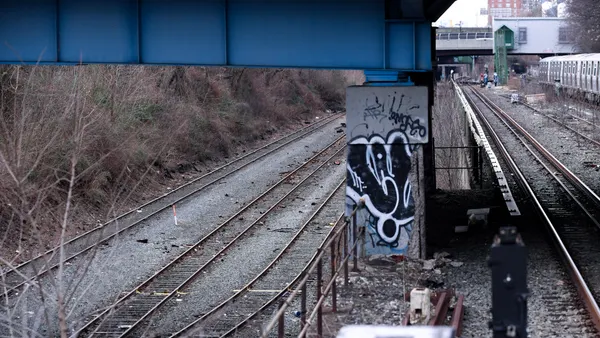
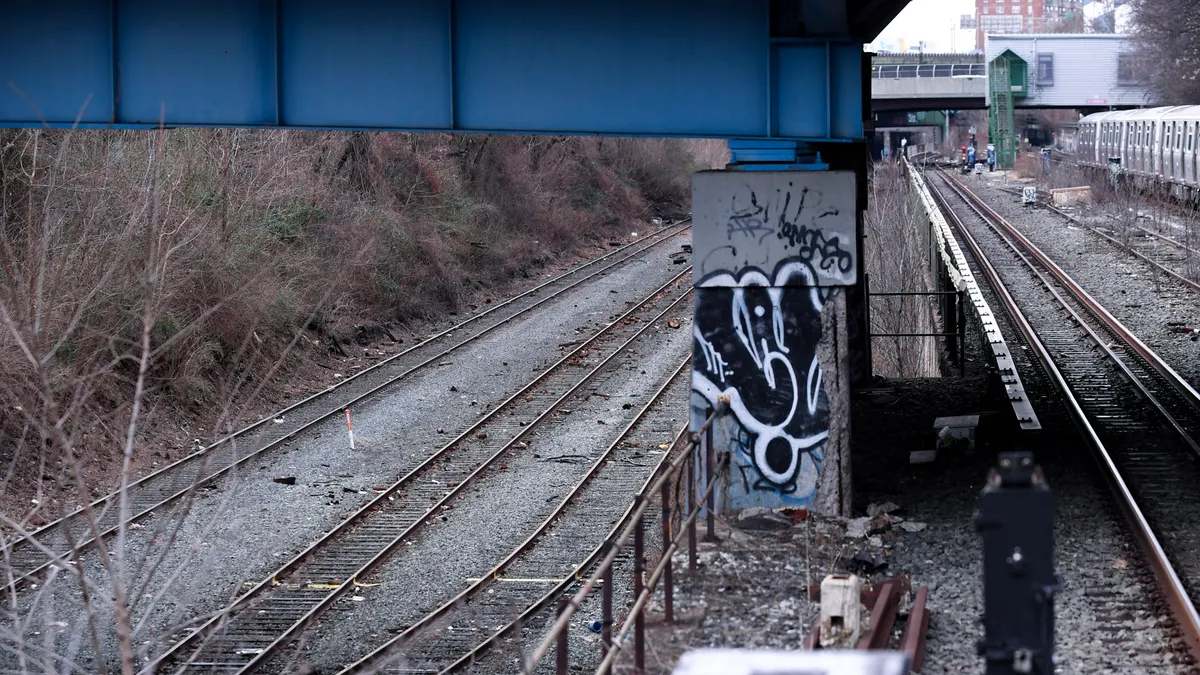
The line will be built alongside an existing 14-mile long freight rail route on new tracks, according to the MTA. The transit authority projects 160,000 daily riders when the IBX goes into service.
The project is partly funded by $2.75 billion in the MTA’s 2025-29 Capital Plan and $45 million in New York’s fiscal year 2026 state budget. The MTA will explore federal funding, New York Gov. Kathy Hochul told amNY last week. Failing that, the state may step in, she said.
All IBX stations will comply with the Americans with Disabilities Act, and the transit authority will focus on accessibility projects at four non-accessible subway stations that will connect to the interborough express. “I'm thrilled that the long-awaited IBX is not only moving forward, but that existing stations are being prioritized for accessibility upgrades,” New York State Assembly Member Claire Valdez said in a statement.
The IBX will be the first new end-to-end rapid transit line built entirely within New York City since 1937, according to the MTA.