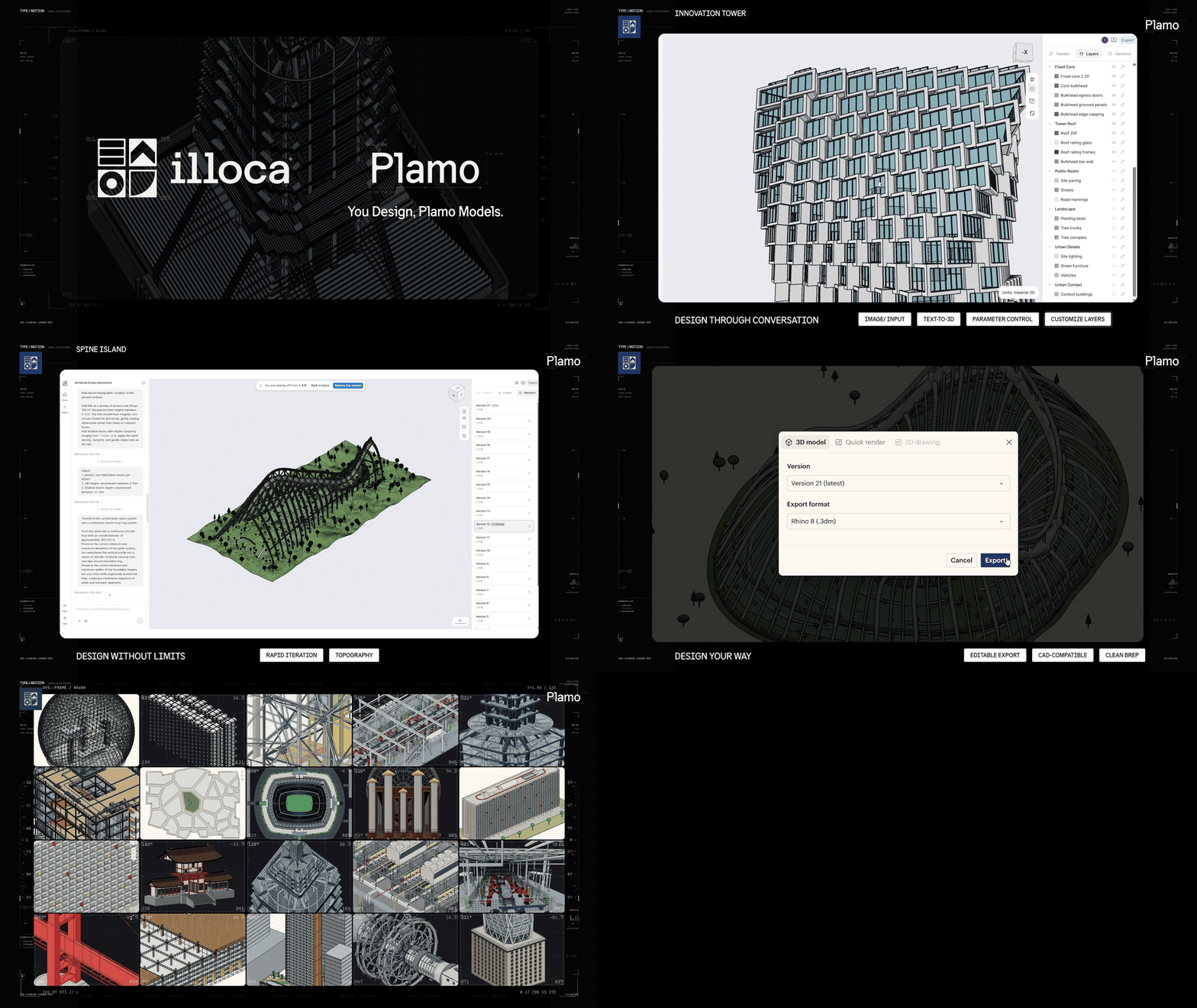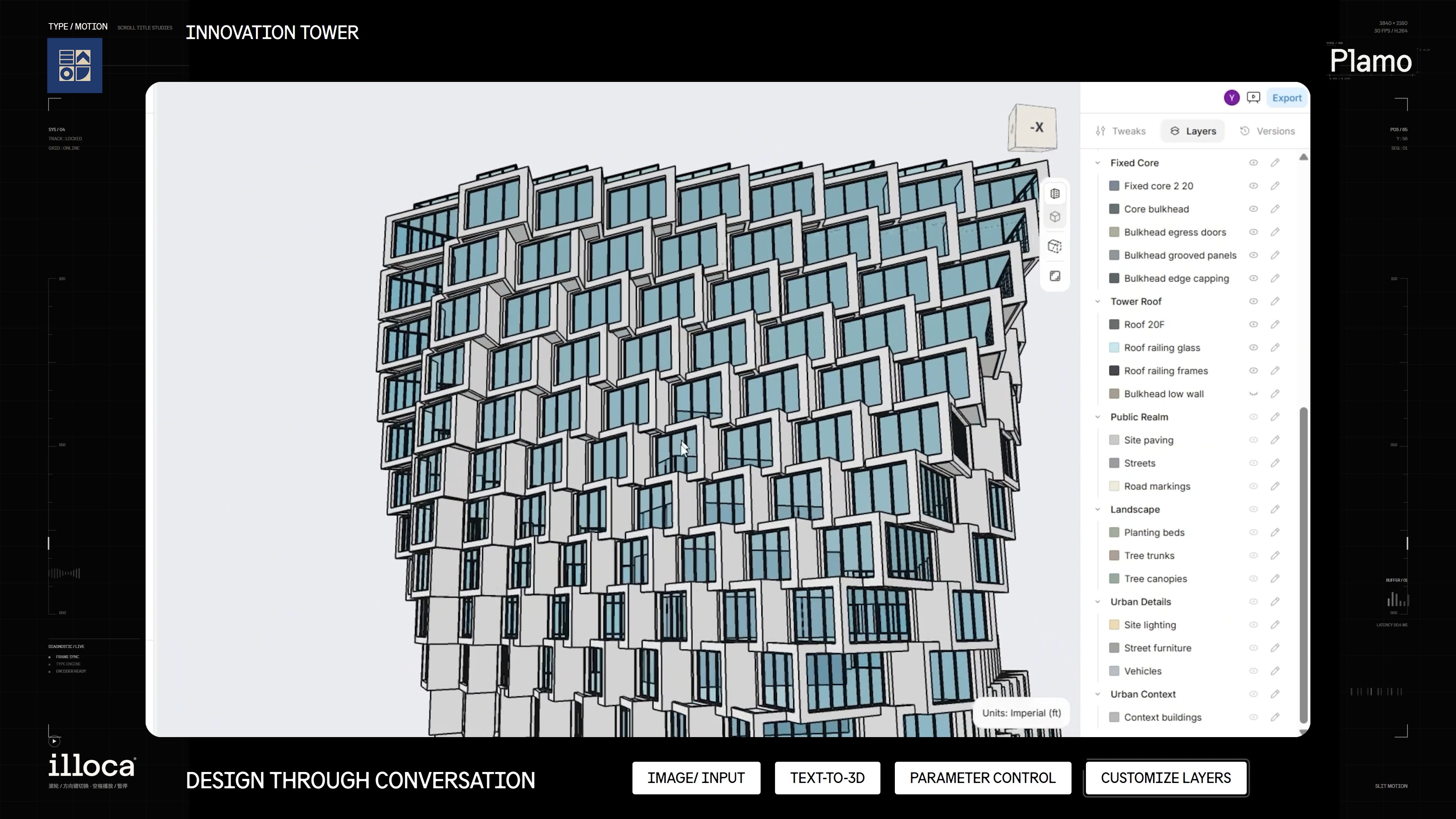


Just as vibe coding marked a paradigm shift for software engineers, Illoca sees the same shift coming to architects and engineers. Across architecture, engineering and construction (AEC), designers still spend too much time manually building, rebuilding, and coordinating geometry as projects evolve. Plamo introduces vibe modeling to that workflow, allowing designers to direct the design while an agent handles the manual modeling across spatial relationships, geometric constraints, and increasingly complex systems.
Illoca, an AI startup building tools for architecture, engineering, and beyond, today launched Plamo in beta, its second product following Tracing Paper, an AI-assisted workspace for rapid architectural prototyping. Plamo is a new agentic 3D modeling workspace that turns sketches, reference images, drawings, and natural language into editable geometry directly in the browser.
“Vibe coding showed us that the biggest shift wasn’t simply making software development faster,” said Chin-Yi Cheng, co-founder and CEO, Illoca. “It changed who could build, how quickly ideas could be tested, and where engineers spent their attention. We think 3D design is heading in the same direction. Plamo lets designers work at the level of intent while keeping the geometry editable and the underlying logic intact, so speed doesn’t come at the expense of control.”
Plamo is designed around what happens after generation. Rather than producing a static mesh or one-off visual, it creates editable BREP geometry backed by parametric logic, so designers can continue changing dimensions, systems, and relationships without rebuilding the model from scratch. The result is a model that remains live as the design evolves—closer to an ongoing design environment than a generated endpoint.
Plamo’s agent interprets the request before it begins modeling, working from text, images, schematics, annotated drawings, or full plan sets. It can recreate a building, combine references, introduce structural or MEP systems, and reorganize geometry to match project conventions. When information is missing, it can research it; when the intent is ambiguous, it asks for clarification rather than silently filling in the gaps.
“In practice, the bottleneck is rarely a lack of ideas,” said Chiaowei Yu, co-founder and COO, Illoca. “It’s the amount of manual work required to translate every change into the model, then coordinate that change across the rest of the project. Plamo gives designers a way to stay closer to the decisions that matter, while the model catches up much faster.”
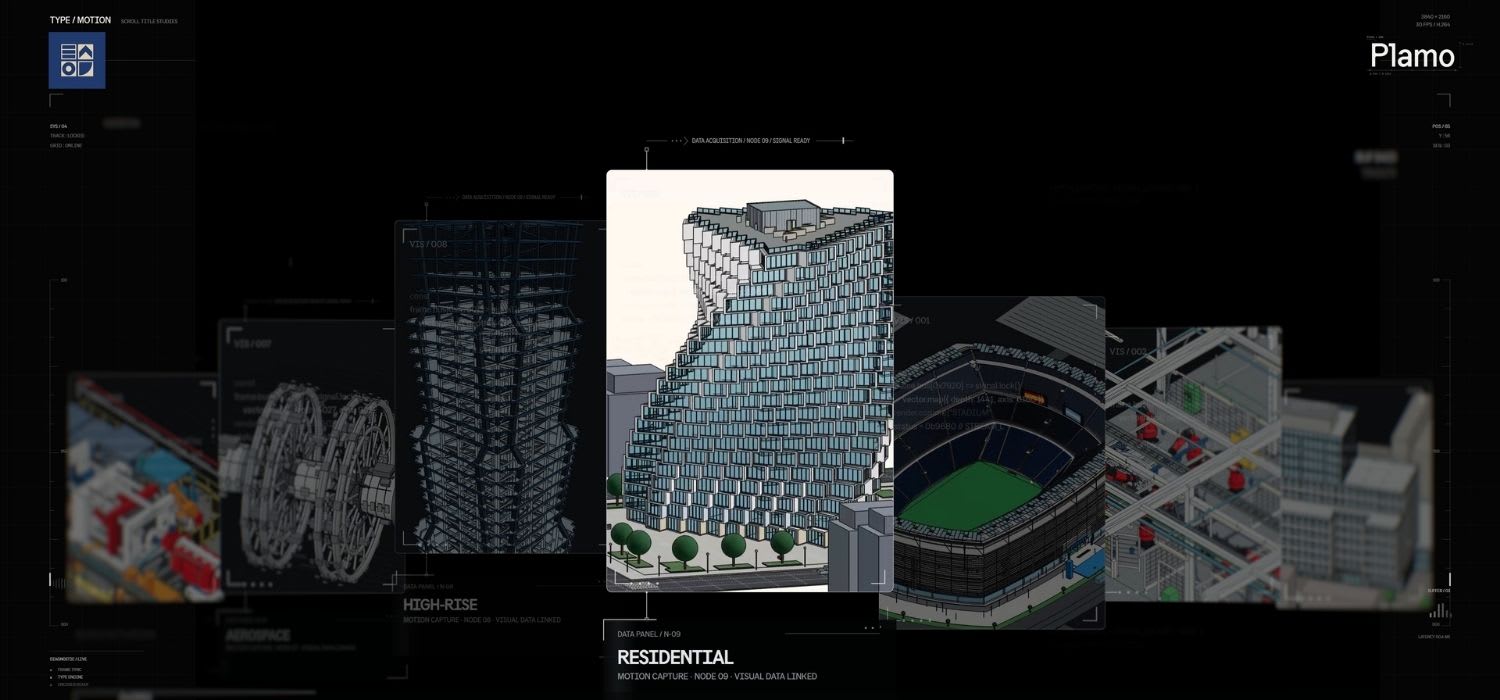
Plamo is designed for people whose ideas eventually have to become workable 3D geometry—from buildings and infrastructure to products and manufactured objects. By reducing the manual effort required to create and repeatedly rebuild models, Plamo gives teams a faster way to explore ideas while preserving the editability needed to keep developing them.
- For architects and design teams: Explore massing, building systems, spatial concepts, and design alternatives earlier, without committing hours to modeling every iteration by hand.
- For engineers: Establish and iterate structural, MEP, and other technical systems within a coordinated model, creating a starting point for evaluation and further development.
- For developers and design-build teams: Test ideas and project scenarios in 3D earlier in the process, making it easier to communicate intent and align teams before more detailed design begins.
- For product and industrial designers: Move quickly from sketches, references, or requirements into editable parametric models that can continue evolving toward downstream CAD and manufacturing workflows.
- For multidisciplinary teams: Bring design information into a shared 3D environment where geometry can be refined, communicated, and handed off without starting over each time the design changes.
With Plamo, Illoca is betting that the next major shift in 3D design will not come from faster commands, but from a different relationship with software altogether—one where designers spend less time operating tools and more time directing intent. Plamo applies that approach through vibe modeling, by turning an idea into a working 3D design environment.
Plamo is now available in beta at illoca.com/plamo.
Illoca builds AI-native design tools that turn ideas into editable design. Plamo is an agentic 3D workspace for vibe modeling, transforming sketches, images, drawings, and natural language into editable, parametric models. Tracing Paper accelerates architectural prototyping by turning sketches, markups, and prompts into editable plans, massing studies, and design documentation.
Illoca was founded in San Ramon, California by Chin-Yi Cheng, formerly of Google DeepMind and Autodesk AI Lab, and Chiaowei Yu, former BIM Lead at Tesla. The company is backed by a $13 million seed round led by Bessemer Venture Partners.