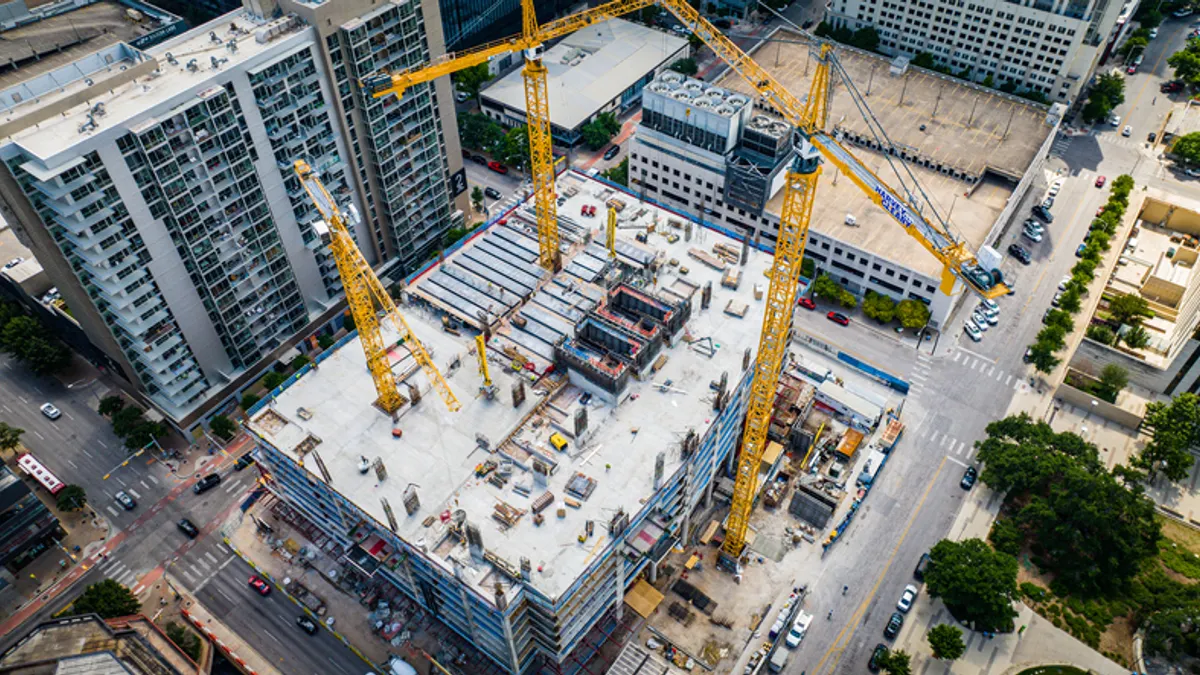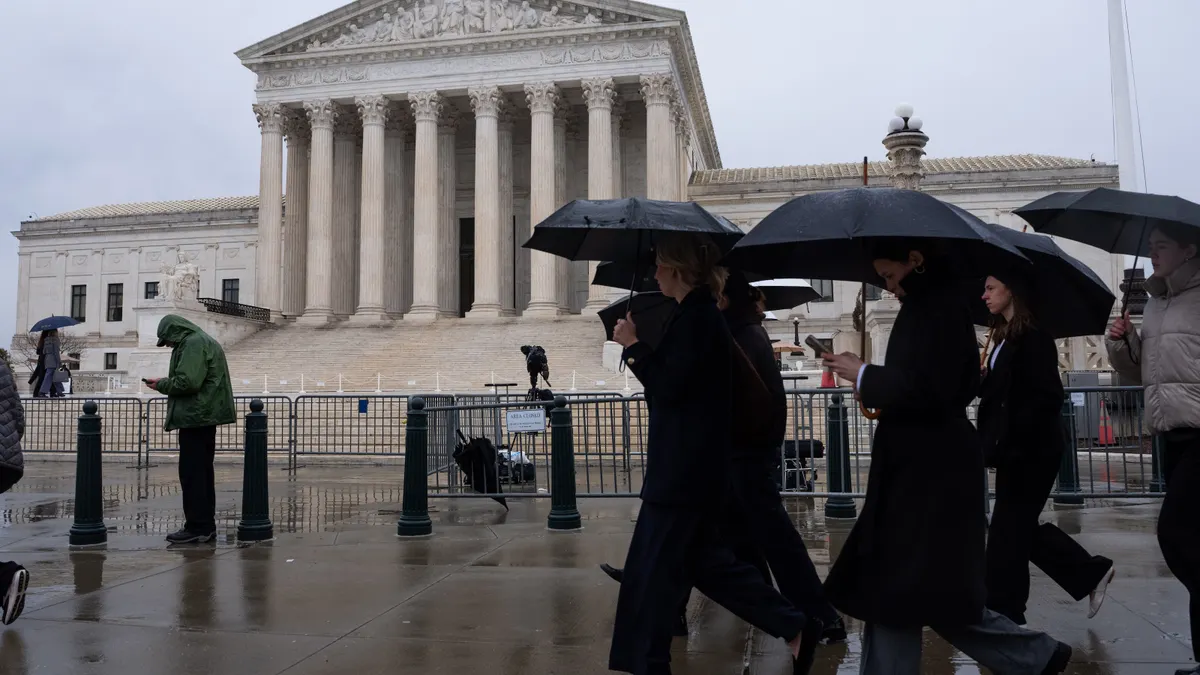
Contractors in certain niches can expect some meaningful materials price reductions after the Supreme Court struck down most of President Donald Trump’s tariffs Friday.
The court rejected Trump’s claim to authority to impose reciprocal tariffs against the rest of the world in a 6-3 decision. That would drive “a modest but meaningful reduction in materials price escalation” for specialty equipment, HVAC and electrical systems and fixtures, said Anirban Basu, chief economist at Associated Builders and Contractors.
In the near term, contractors should expect to see some relief in materials costs, according to the Associated General Contractors of America.
But the administration quickly signaled plans for alternative tariff methods shortly after the ruling. AGC also noted other materials-specific tariffs on lumber, steel, aluminum and copper products remain in place and are unaffected by Friday’s decision.
Taken together, that means the Supreme Court decision “could be short-lived and completely counteracted by heightened uncertainty during the transition from one tariff mechanism to another,” said Basu.
That back-and-forth tends to stall construction activity as owners and contractors weigh whether the decision will hold.
“If these are repealed, and then say three weeks from now, he reimposes them, that would cause more uncertainty in the market,” said Ken Roberts, partner with Venable, a Washington, D.C.-based law firm and chair of the firm’s construction group. “I think the market will take a wait-and-see approach.”
Firms can adapt to tariff rates if they understand the “playing field,” said Brian Kassalen, principal and construction industry leader at Baker Tilly, a Chicago-based construction advisory firm. Without understanding a framework, however, long-term planning is difficult.
“This yo-yo effect of tariffs created a lot of chaos,” said Kassalen. “If the Trump administration does go back and pursue other means to try to reimpose these tariffs … that does create uncertainty, which contractors and project owners alike don’t like.”
For projects where tariff-related increases already pass through, whether any money flows back depends on how the contract was written, said Roberts.
But don’t count on it. AGC has told builders not to hold their breath waiting for refund checks.
“We have been cautioning our members for some time now that it is unlikely they will see any refunds for materials purchased during the past year,” Brian Turmail, AGC’s vice president of public affairs and workforce, said in an email to Construction Dive.