
Dive Brief:
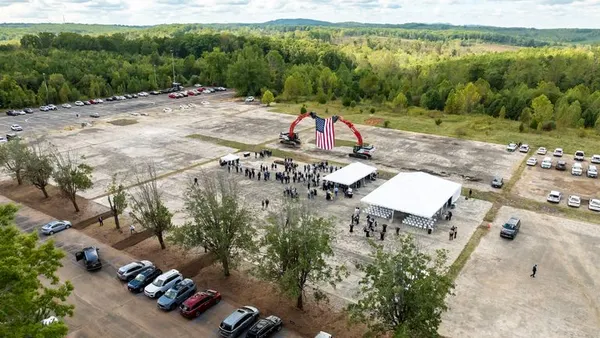
- North Carolina is suing automaker VinFast after the Vietnam-based company allegedly failed to meet obligations related to the construction of a proposed electric vehicle and battery manufacturing plant in Chatham County.
- Attorney General Jeff Jackson filed the lawsuit on Thursday, alleging that because VinFast “breached its agreements with the state,” North Carolina is exercising its contractual right to acquire the 1,977-acre site and protect taxpayer money tied to the project.
- VinFast said it does not expect the facility to be operational until 2028, which the state argued is two years past the agreed upon construction deadline. North Carolina awarded a job development investment grant for the project and appropriated up to $450 million for site development and infrastructure improvements in 2022.
Dive Insight:
The dispute over the unbuilt factory comes as automakers absorb losses from electric vehicle-related investments, driven by slow demand and a shifting political landscape that eliminated federal EV tax credits and stricter emissions regulations.
Stellantis, the maker of Chrysler, Jeep and other brands, posted a $26.3 billion loss for fiscal year 2025 as part of a strategic pivot away from EV production. Ford also took a $19.5 billion write-down for the period after scrapping its electric truck plans.
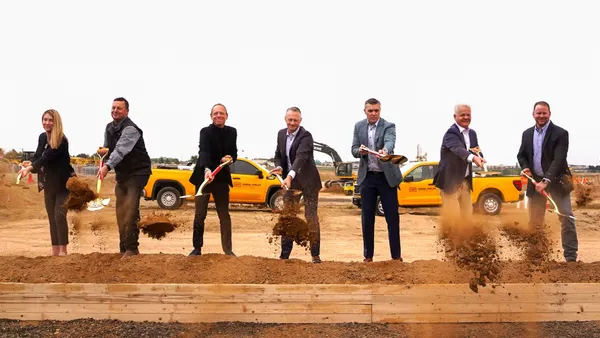
Four years ago, VinFast, an all-electric vehicle manufacturer, had agreed to invest more than $3 billion in a manufacturing facility in Chatham County, with plans to create 7,500 jobs. At the time, it was considered to be the largest economic development announcement in North Carolina history.
But there has been “zero progress” on the project since then, the state said in a recent complaint, arguing that VinFast had “defaulted” on its agreements.
“Vinfast agreed to build a factory and create jobs for North Carolinians — it didn’t do either,” Jackson said in a statement. “When North Carolina makes a deal, we build in protection for taxpayers. VinFast broke the deal, so we’re using that protection to find a project for this site that will create jobs.”
According to the state’s complaint, VinFast failed to begin “vertical construction” of its buildings and structures as of January 2024, and has not provided evidence that the project could be completed on a delayed timeline. VinFast had requested an extension until July 1, 2028, citing slowdowns in the EV market that had affected the project and the company’s ability to secure funding. The state declined the automaker’s request.
The state also argued that VinFast won’t be able to meet its job creation commitments this year and failed to file its 2025 annual report or respond to state requests for a project update. VinFast ceased operations on the site in December 2024, according to the complaint.
“VinFast has failed to take any concrete action that shows it can and will fulfill its obligations,” the complaint says. “Under the terms of the agreements, the State has a right and a duty to protect taxpayer dollars and ensure a prime industrial site is used for its highest and best purpose.”
In January, North Carolina’s Justice Department notified VinFast that it had defaulted on its agreements, but the company argued that it had met its construction deadlines and plans to open the facility by 2028.