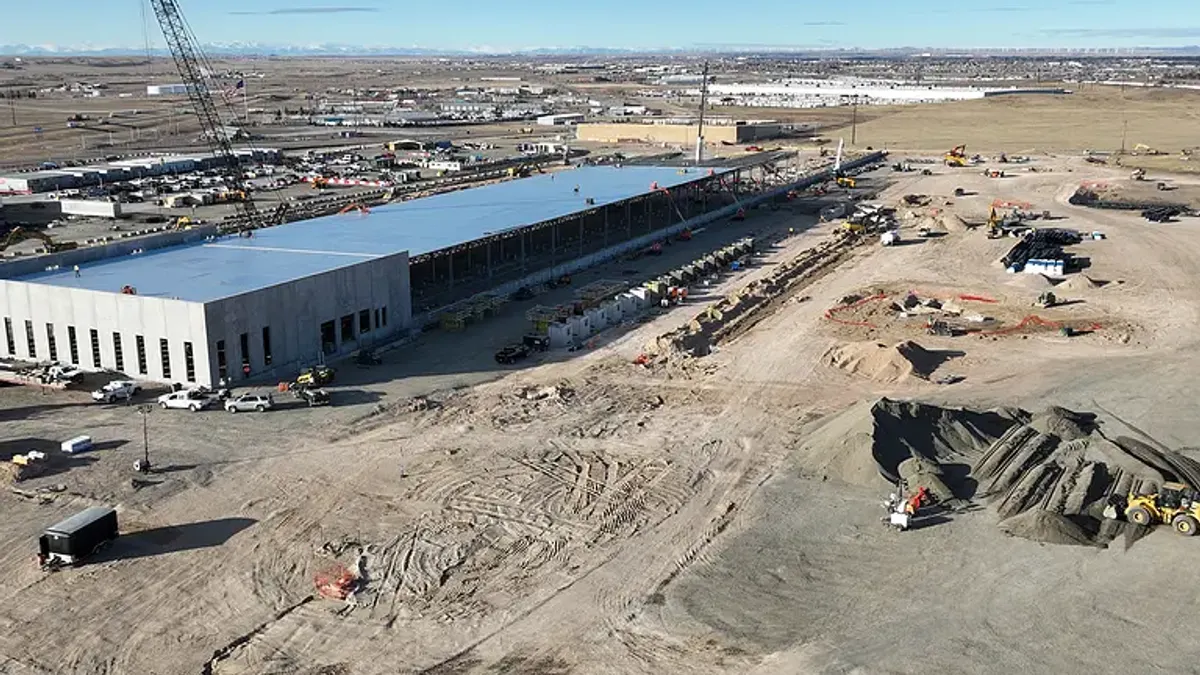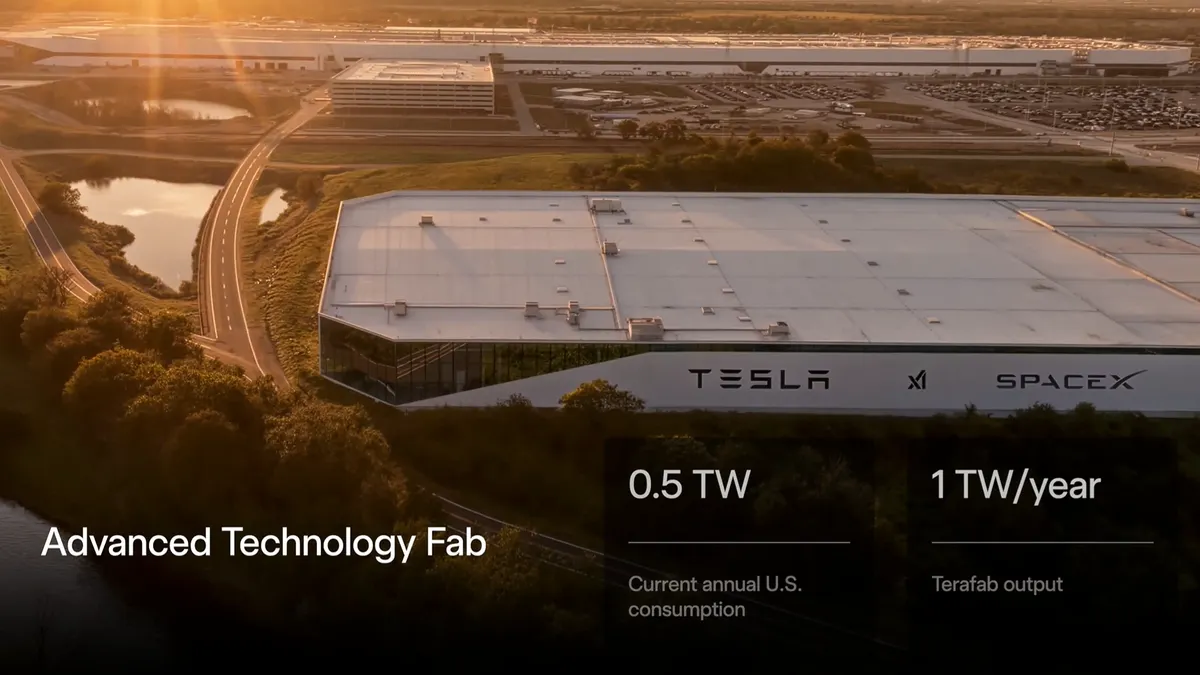
NEW YORK CITY — TeraWulf, an Easton, Maryland-based developer of data center infrastructure, acquired a site in Hawesville, Kentucky, in February with intentions to build a multibillion-dollar data center.
The site sits within 300 miles of several major Midwest metropolitan areas such as St. Louis and Indianapolis, offering low-latency connectivity and existing industrial infrastructure. More importantly, the land has immediate access to 480 megawatts of existing power availability.
After the land purchase, TeraWulf moved quickly with development, signing on Irving, Texas-based Fluor to begin construction on the brownfield data center project. John Palmer, senior vice president for advanced technologies at Fluor, said TeraWulf selected the firm for its ability to “deliver quality and safety without sacrificing speed.”
Public pushback
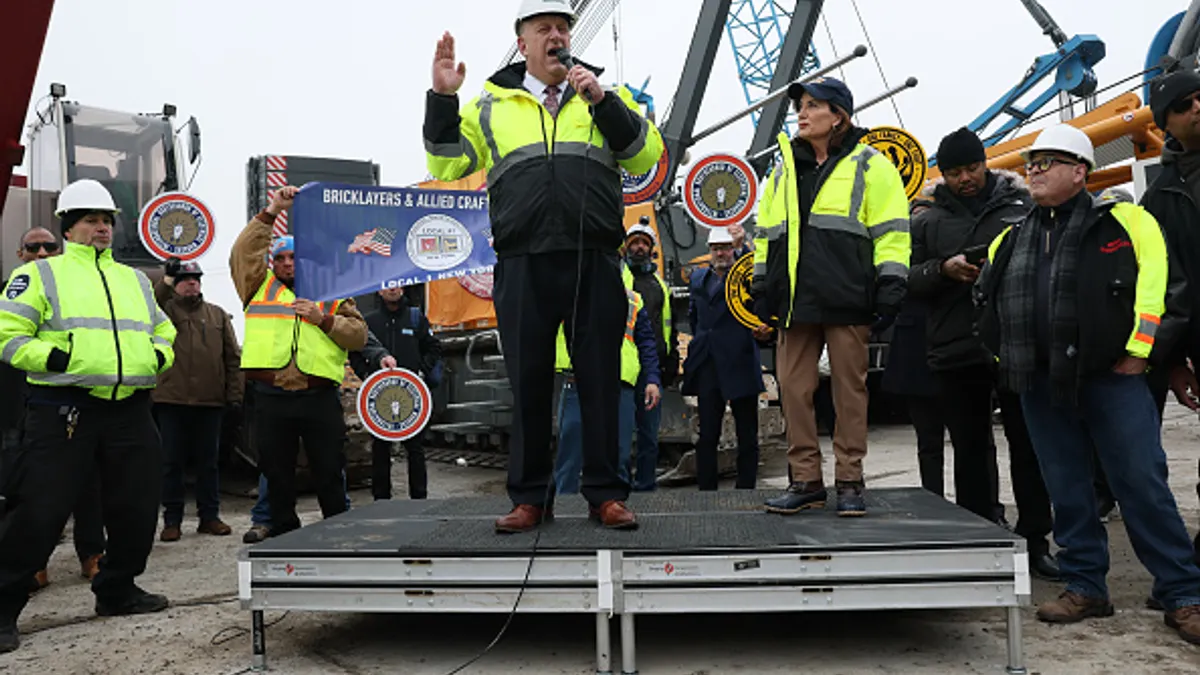
But apart from technical execution on these billion-dollar facilities, panelists at New York Build 2026, held in New York City on March 18-19, named public pushback as one of the most immediate risks for data center projects.
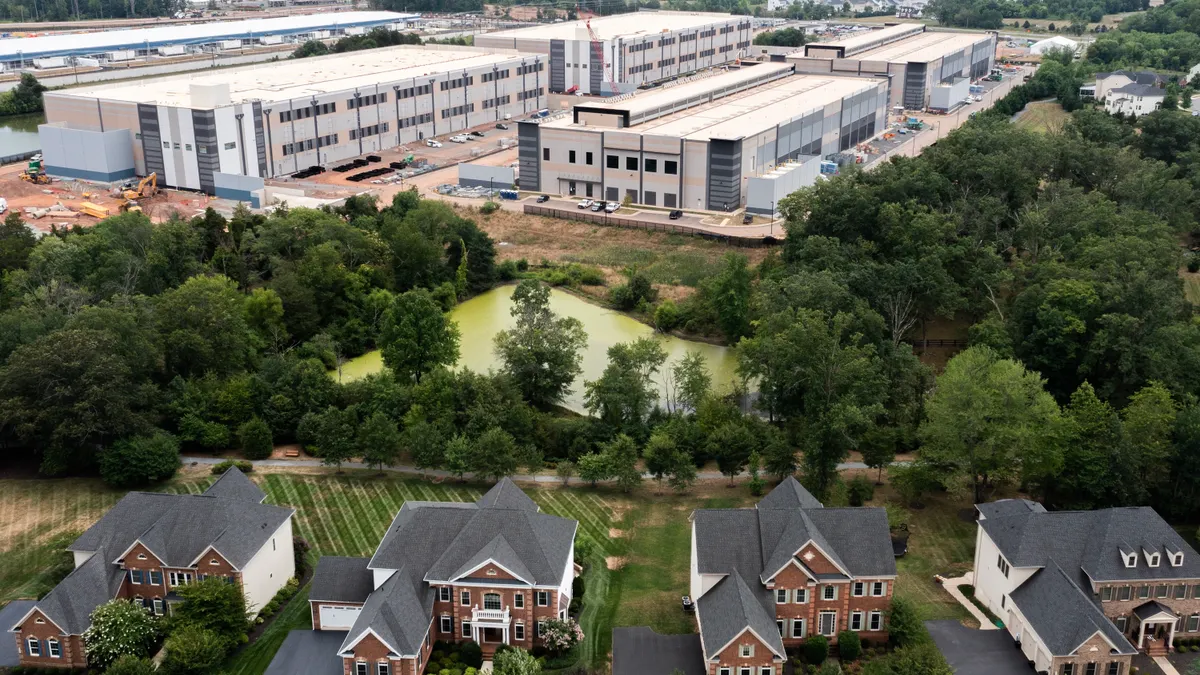
“The number one concern we have in the market right now is public sentiment,” said Rob LoBuono, principal at San Francisco-based design firm Gensler. “Some people actually see the impacts of these buildings if they’re not designed well. There’s noise concerns, there’s concerns about construction, there’s concerns about potentially pollution.”
Indeed, lawmakers in New York state recently proposed a three-year moratorium on new data center construction over 20 megawatts.
Pitching communities
For these reasons, developers and construction teams should treat showcasing community benefits from a data center facility as a type of project requirement. Several panelists argued if developers want political and social license to build in New York state, for instance, they will need to show what nearby residents gain in return.
That could include affordable housing commitments, school investments, job creation, lower utility bills or local grid upgrades.
“We have to think about them not just as stand alone facilities and buildings,” said Alexandra Abreu-Pina, project manager at Aufgang Architects, a Suffern, New York-based architecture firm. “We have to think about them in the context that they’re getting into and how they’re actively impacting the communities they’re arriving at.”
Other multibillion-dollar data center builds across the country already emphasize these initiatives. For example, on Meta’s $10 billion data center project near Monroe, Louisiana, the tech giant pledged an additional $200 million investment in local road and water infrastructure upgrades.
On a separate $10 billion data center in Lebanon, Indiana, Meta earmarked $45 million in public road improvements and another $75 million in public water infrastructure projects. The tech giant also launched the Boone County Career Collaborative, a workforce development initiative that connects students in the area with local employers to develop skills and explore career pathways.
Other hyperscalers, including Amazon, have pledged similar investments around data center builds. As part of its $12 billion data center campus in Louisiana, Amazon will also invest $400 million for local water infrastructure upgrades alongside a $250,000 community fund to support STEM education in the area.
“Any community is going to be looking at the cost-benefit,” said Kelly Bacon, vice president and data center market lead at Dallas-based AECOM. “How can you convince a community that they’re getting something good?”
Contesting megaprojects
The reason to include these types of community benefits in data center builds is pressing, with detractors arguing the facilities don’t benefit communities in the long run.
In his recent book, “Contesting Megaprojects,” author Gerardo del Cerro Santamaría argues issues with the builds extend far beyond what developers typically account for, particularly when considering the full lifecycle of a data center project.
"Megaprojects are not merely transformative, but rather, they are inherently disruptive," del Cerro Santamaría said in a statement to promote his book. "The reason is not cost overruns and poor megaproject management, but the disruptive impacts that megaprojects have on urban areas.”
In his research, del Cerro Santamaría points to a range of negative impacts associated with data center construction, such as high energy consumption, significant water use, noise pollution and generation of hazardous electronic waste.
“Data centers cause highly problematic impacts, due in part to their energy demands,” del Cerro Santamaría writes in the book. “We must also consider the environmental damage they cause. As more data centers are built in cities, their impacts will affect an increasing number of people.”
For that reason, del Cerro Santamaría thinks cities like New York should avoid entering the data center boom frenzy at all.
“In view of the destruction they cause I have to say no,” del Cerro Santamaría told Construction Dive. “Anything that prevents building data centers in big cities is good.”
Yet, panelists at New York Build criticized the idea of a proposed moratorium on data center construction in New York state.
“When you say no, the industry is going to move on,” said LoBuono. “We should be saying yes, but with the right requirements.”