Steve Rowson is a professor of biomedical engineering and mechanics and the director of the Helmet Lab at Virginia Tech. Opinions are the author’s own.
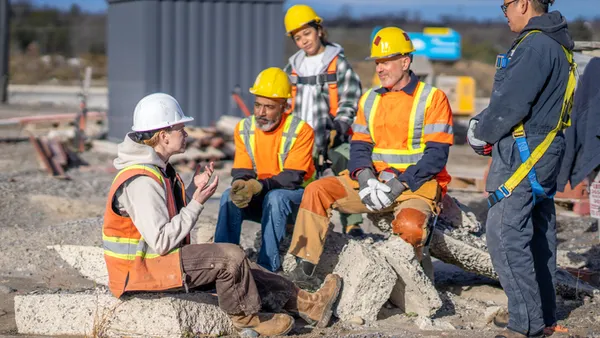
Across the U.S., construction accounts for one in five workplace deaths and nearly half of all fatal falls, slips and trips. Nearly 60% of traumatic brain injury deaths in this industry come from falls. Many of those deaths could have been prevented with better head protection that stays on the head during a fall and dissipates impact energy.
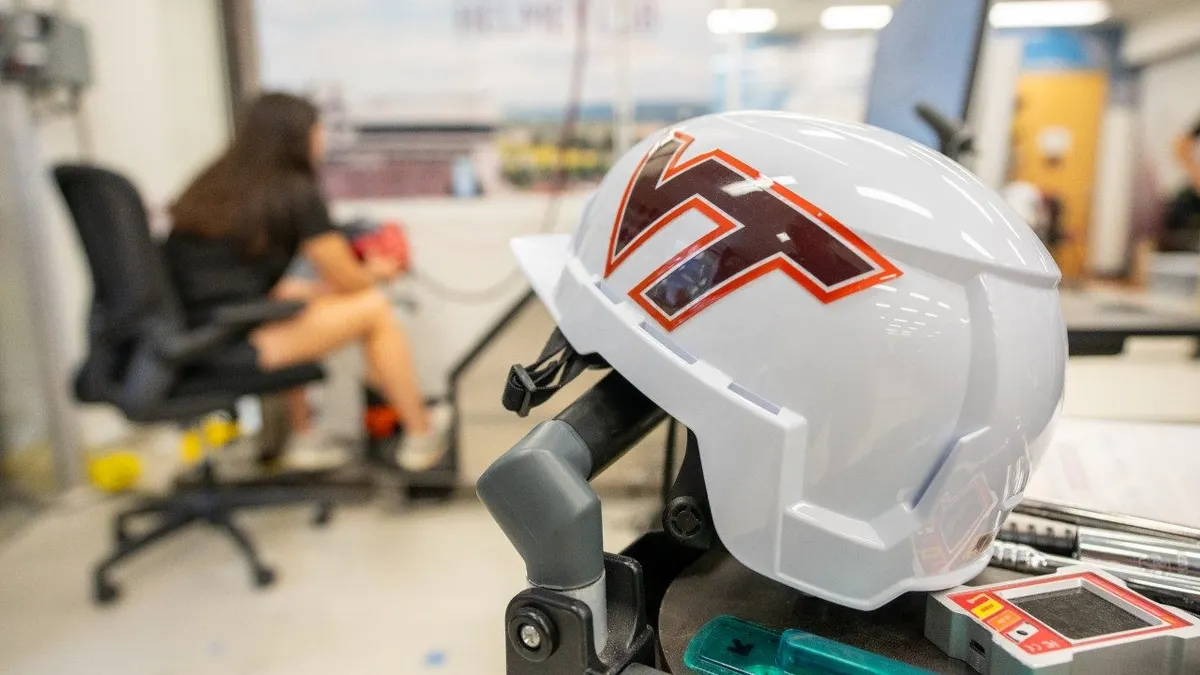
At the Virginia Tech Helmet Lab, we’ve spent years studying how helmets manage impact energy. In sports, that work helped drive major design improvements. When we applied the same methods to construction helmets, we found a clear opportunity for progress.
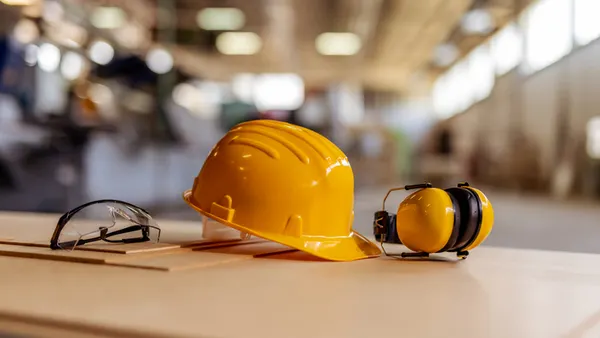
The industry has relied for decades on Type I helmets, designed to protect against a tape measure or wrench dropped from above. They use a suspension system to absorb vertical impacts but lack a chin strap and have no padding. Type II helmets add chin straps and internal padding that can diffuse energy during impacts.
Our testing showed the difference is not subtle. Compared to Type I helmets, Type II helmets reduced fall-related concussion risk by 34% and skull fracture risk by 65% on average. For the highest-performing helmets, those reductions reached 48% and 77%. These numbers mean that many fall-related head injuries and deaths are preventable right now.
Choosing headgear
So why are Type I helmets still the norm on most job sites? Workers often describe Type II helmets as hotter or heavier, and companies cite cost. Another factor is the lenient testing standard. Under the ANSI/ISEA Z89.1 specification, the U.S. safety standard for industrial head protection, there is little incentive for manufacturers to exceed the minimum performance requirements.

Type I helmets are tested only for penetration and force transmission, not for how well they absorb impact energy. Type II helmet certification includes an energy-attenuation test, but the condition represents a drop of only about two feet, a far cry from a worker falling from height. As a result, even helmets that meet the current standard are certified under impacts far less severe than those that kill workers.
To understand what occurs in real falls, we recreated them. Focusing on severe-but-survivable falls from heights of 14 to 25 feet, we tested helmets under impact energies three times higher than assessed by the standard. Type II helmets absorbed substantially more energy, and their chin straps will keep the helmet in place during a fall. Type I helmets are unlikely to stay on the head during a severe fall.
A helmet can only do its job if it stays between the head and the impacting surface.
These findings show that the technology already exists to protect workers from the most serious head injuries. The problem is adoption. Data should drive safety decisions, and the Helmet Lab’s newly released STAR ratings for construction helmets provide that data. STAR — short for Summation of Tests for the Analysis of Risk — identifies which standard-certified helmets offer the most effective energy management under realistic conditions. This should be the starting point for the industry.
As manufacturers integrate higher-energy testing into their R&D processes and contractors choose equipment accordingly, the next generation of helmets will prevent injuries that today are still considered inevitable.
Put bluntly, construction workers should be wearing Type II safety helmets anytime there’s risk of a fall or a head impact. Making that switch will help prevent debilitating injuries and save lives.